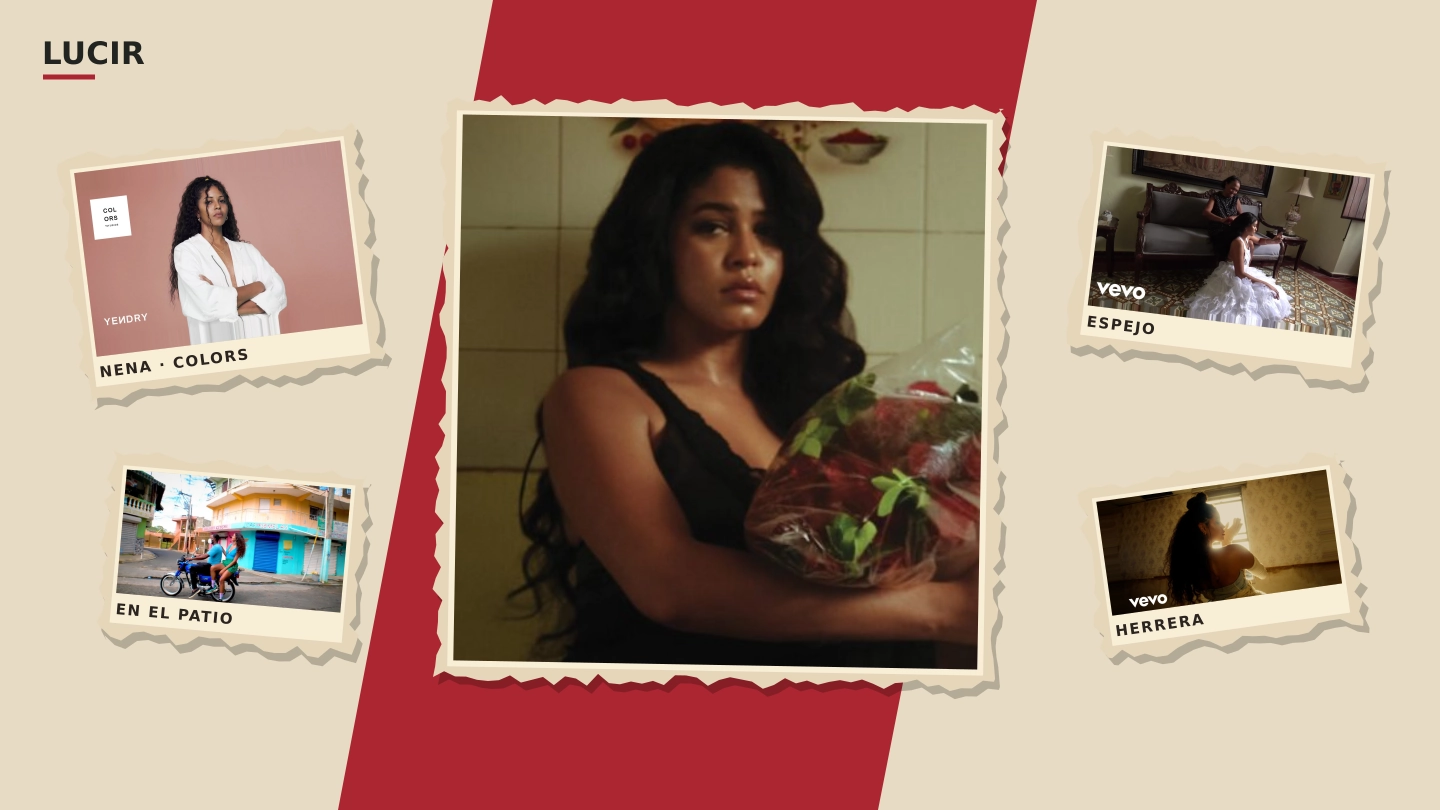
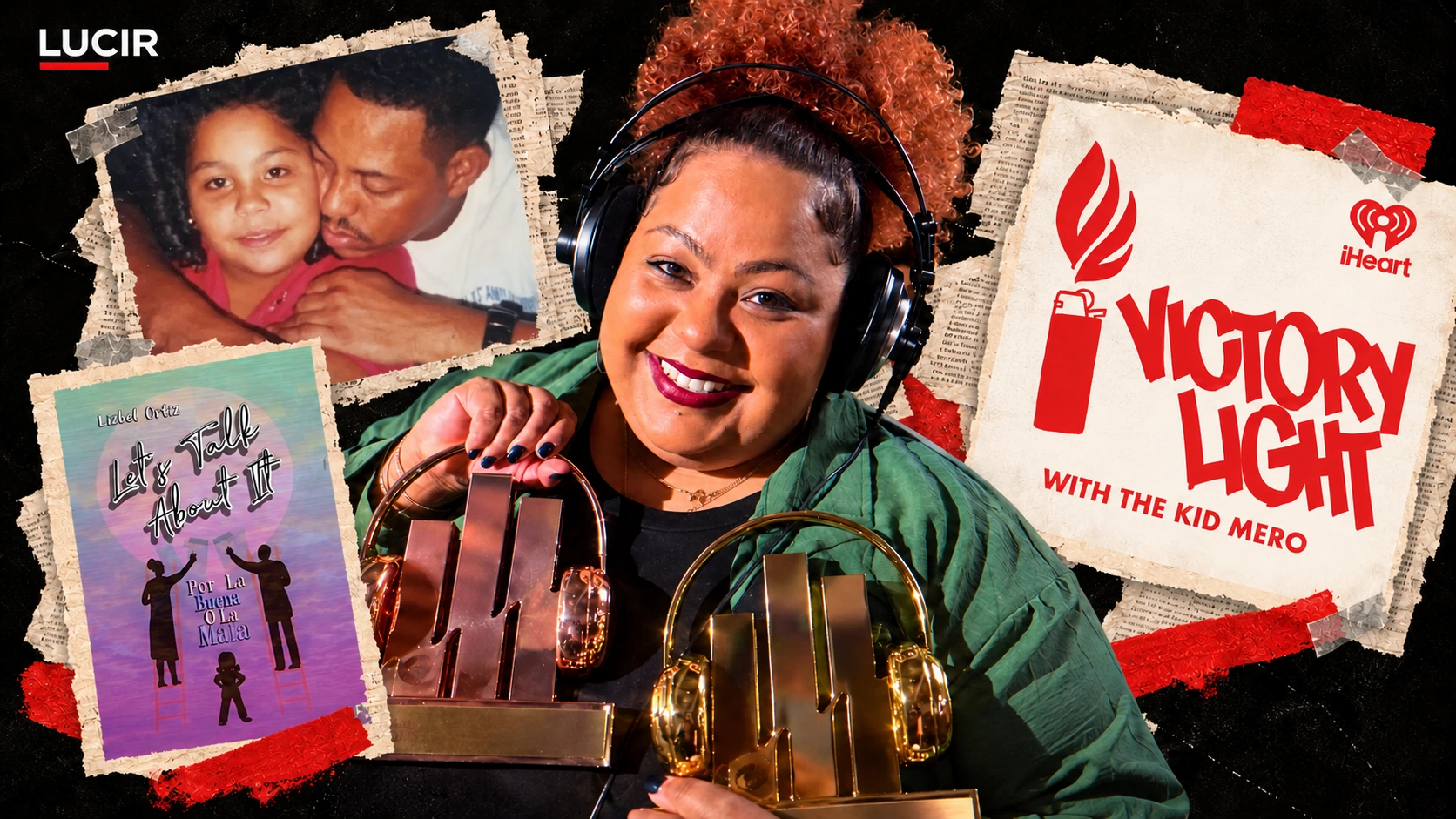
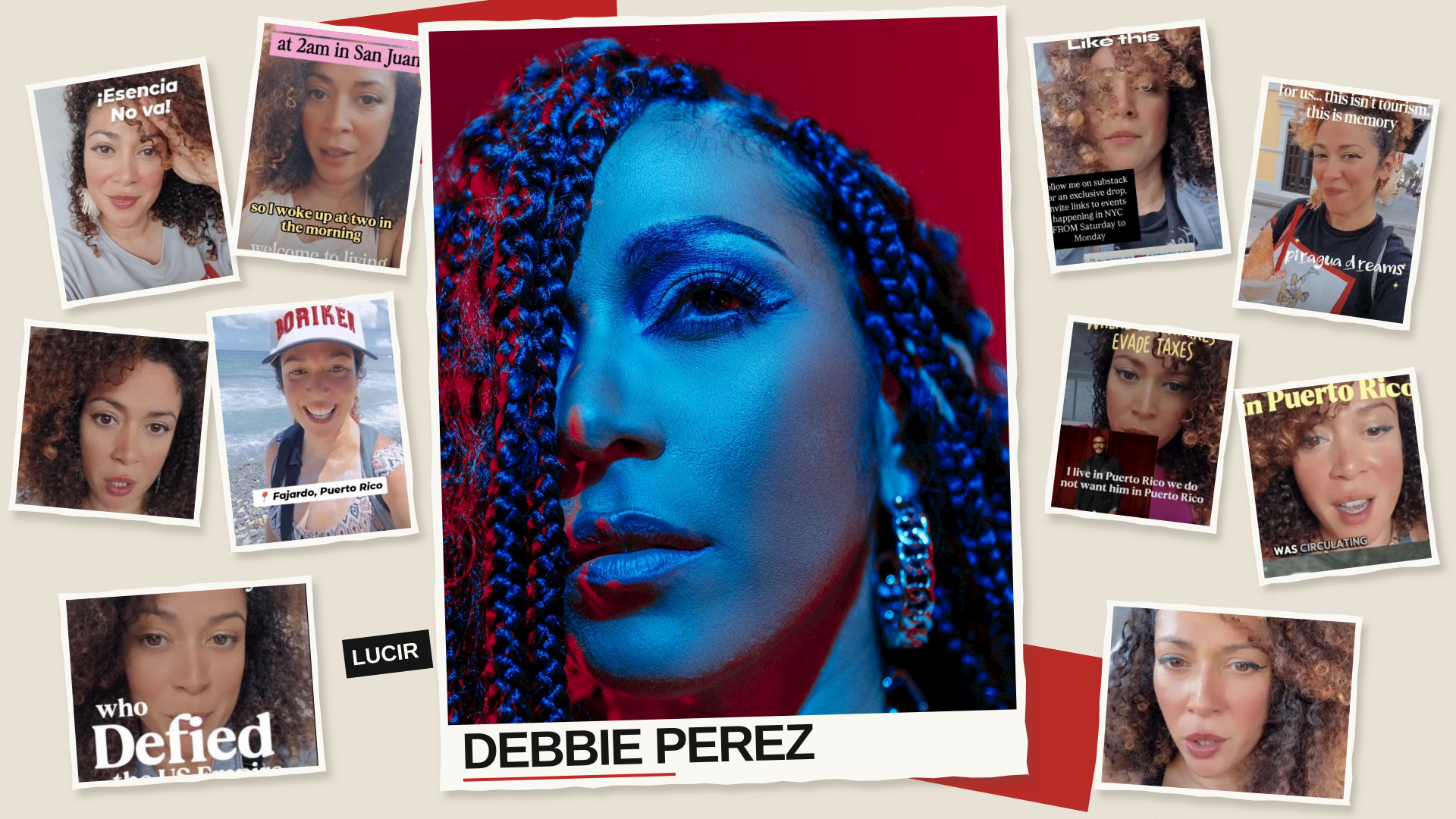
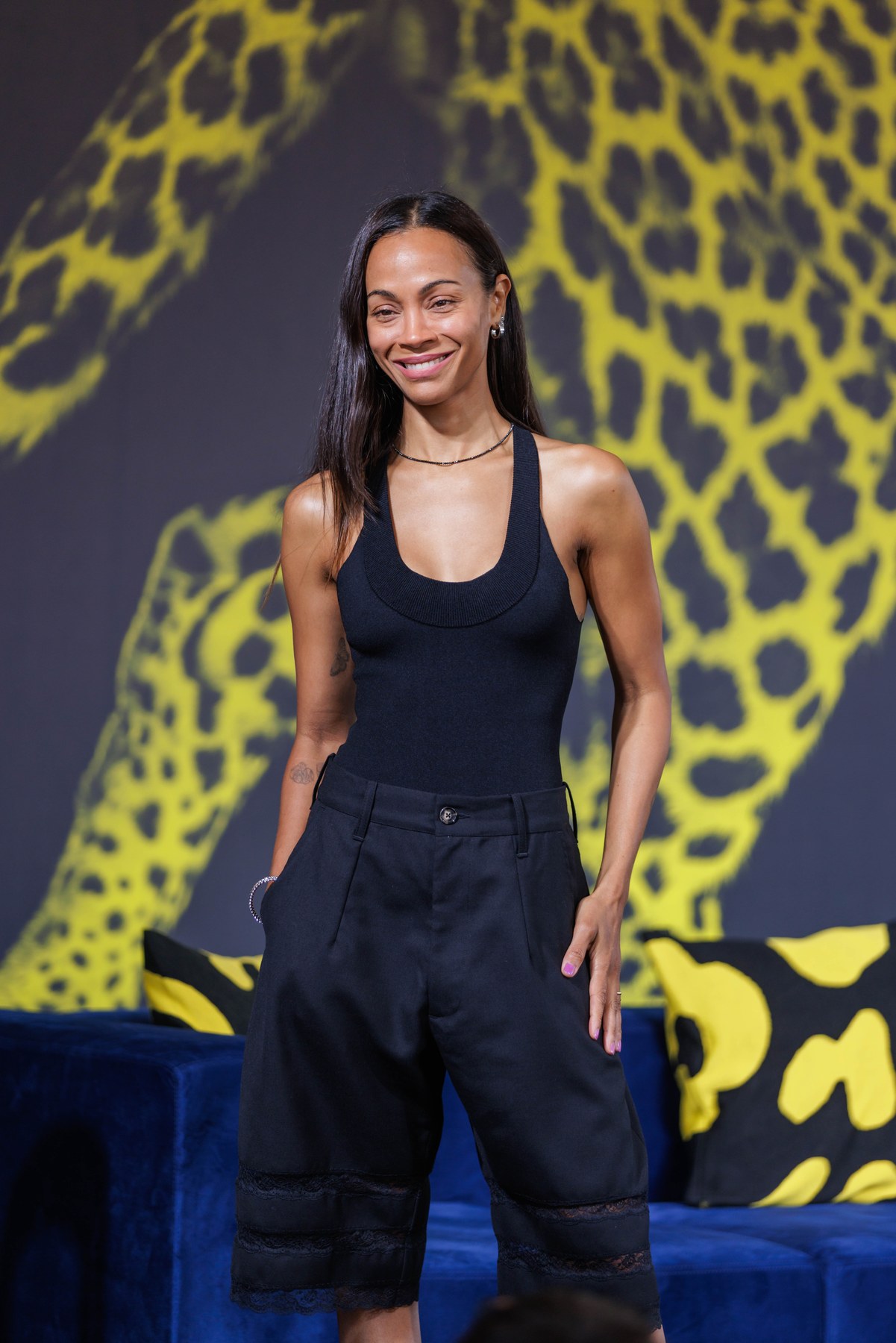
I heard something of my own family in “Nena” and “La Puerta,” and all of her music. I want the English-speaking world to get to know the woman who made it and hear what else she can do with her voice.
We can celebrate Latino electoral victories and still demand wages, housing, healthcare, wealth and power for the people those victories are supposed to serve.
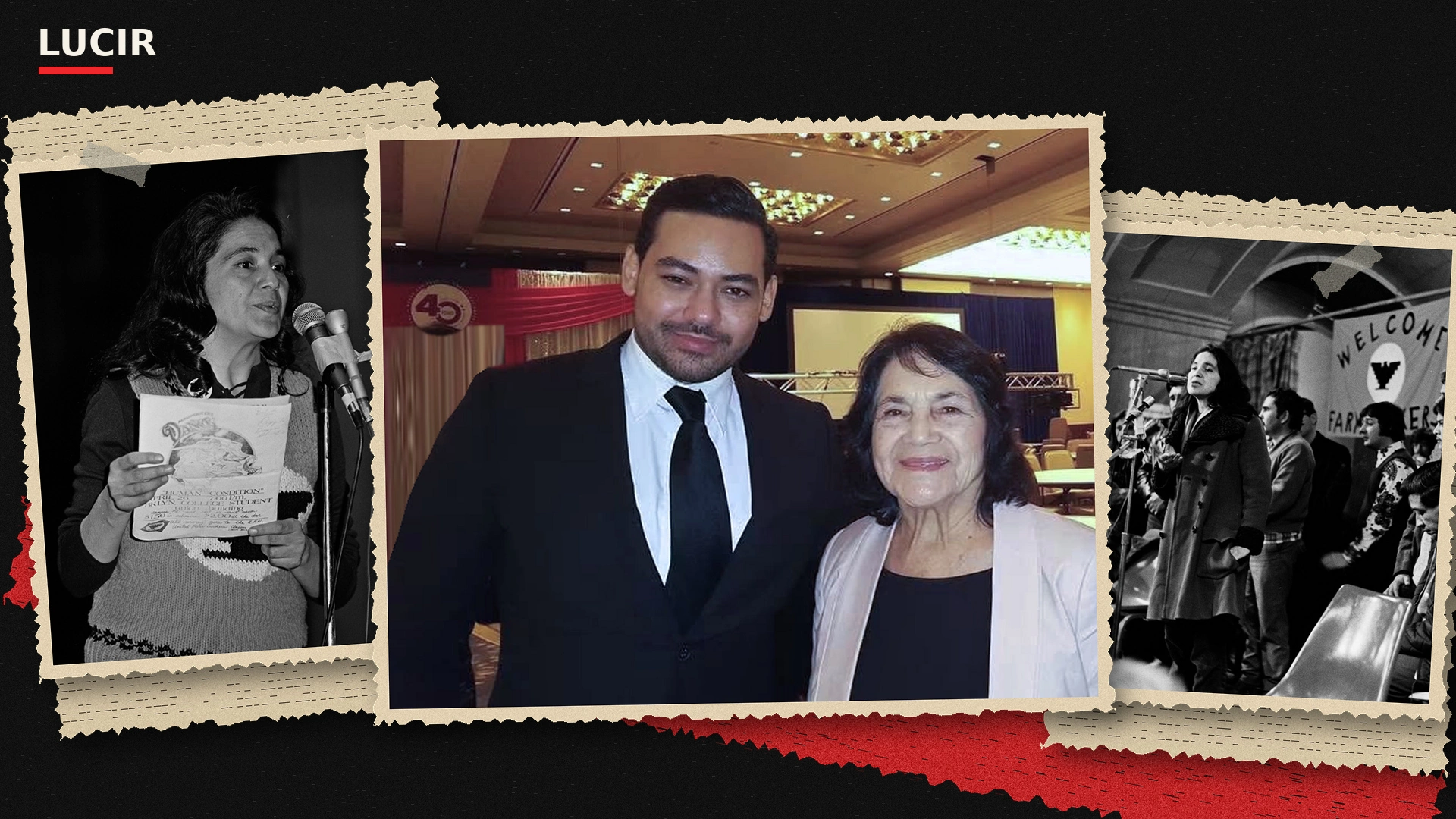
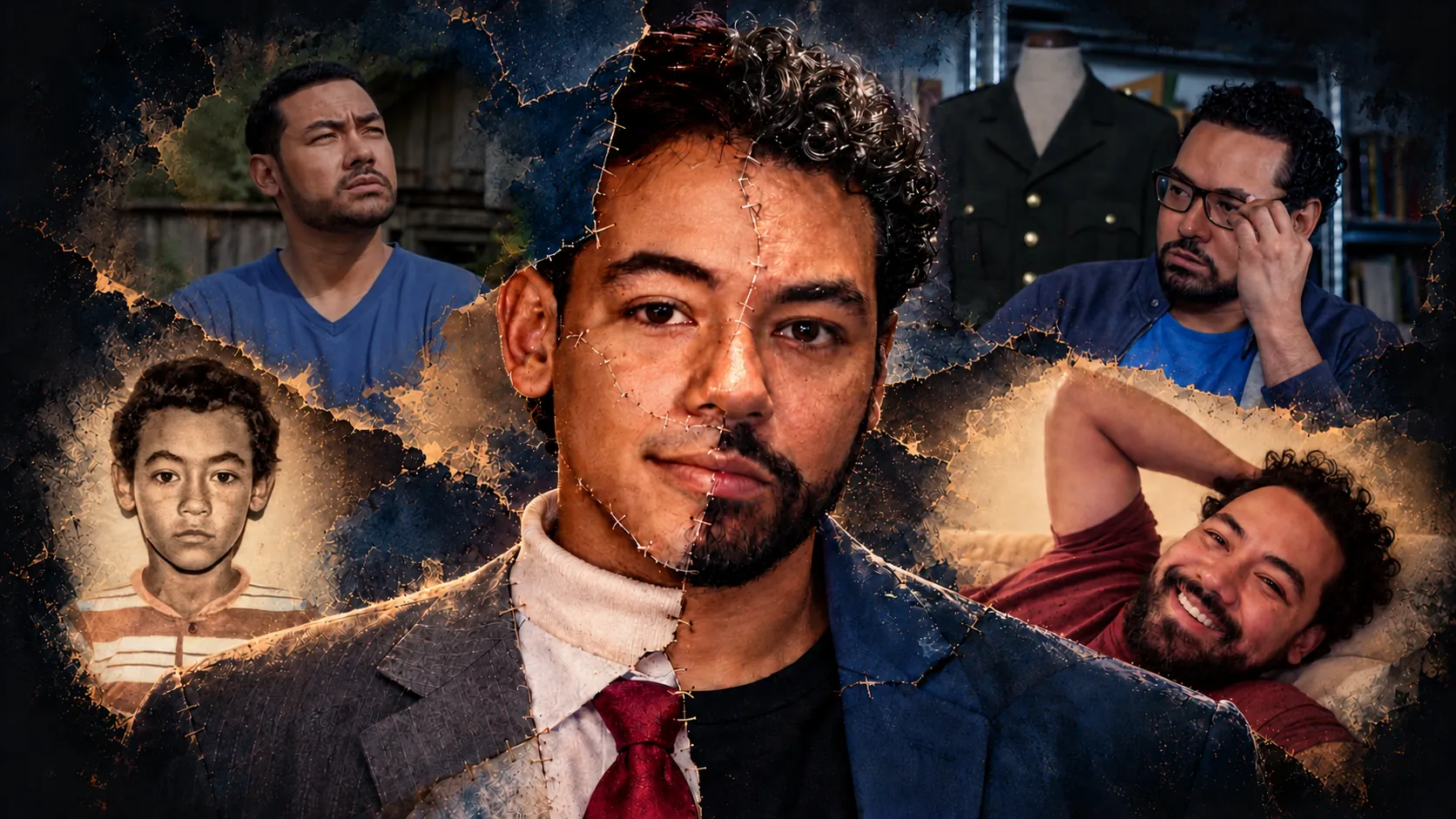
I met her before I understood whose company I was in. Learning who she was made me confront what I still had to learn about the people I wanted to write for.
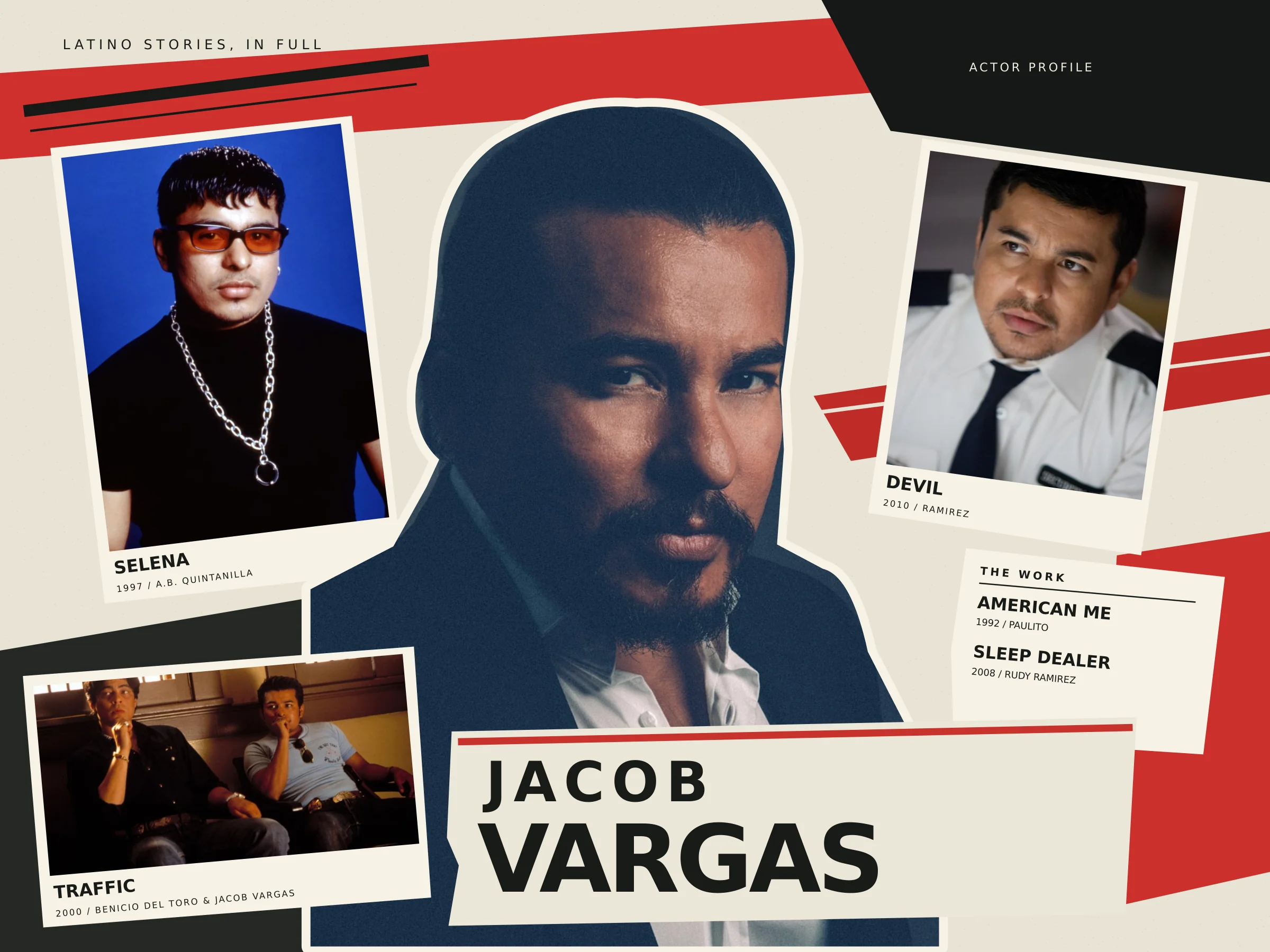
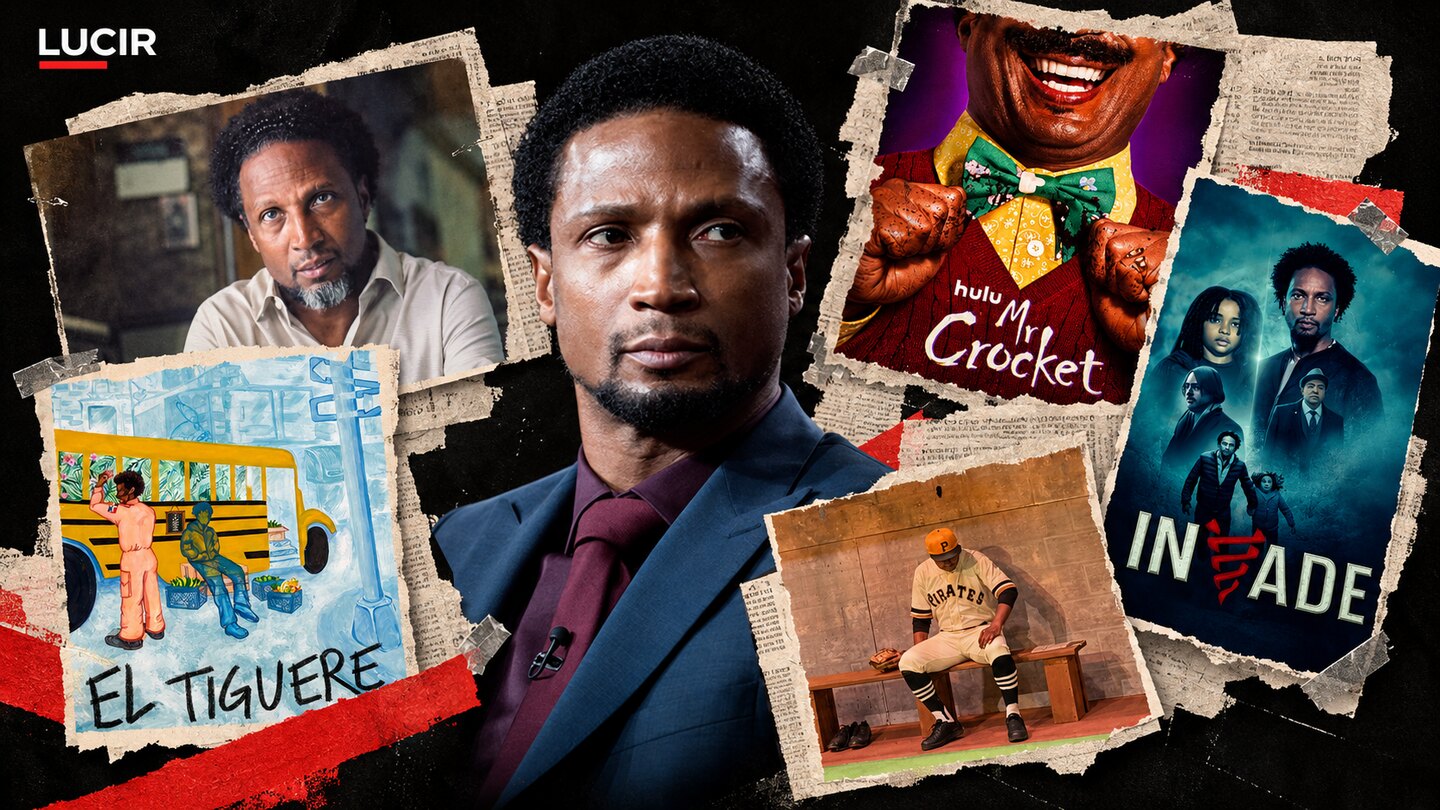
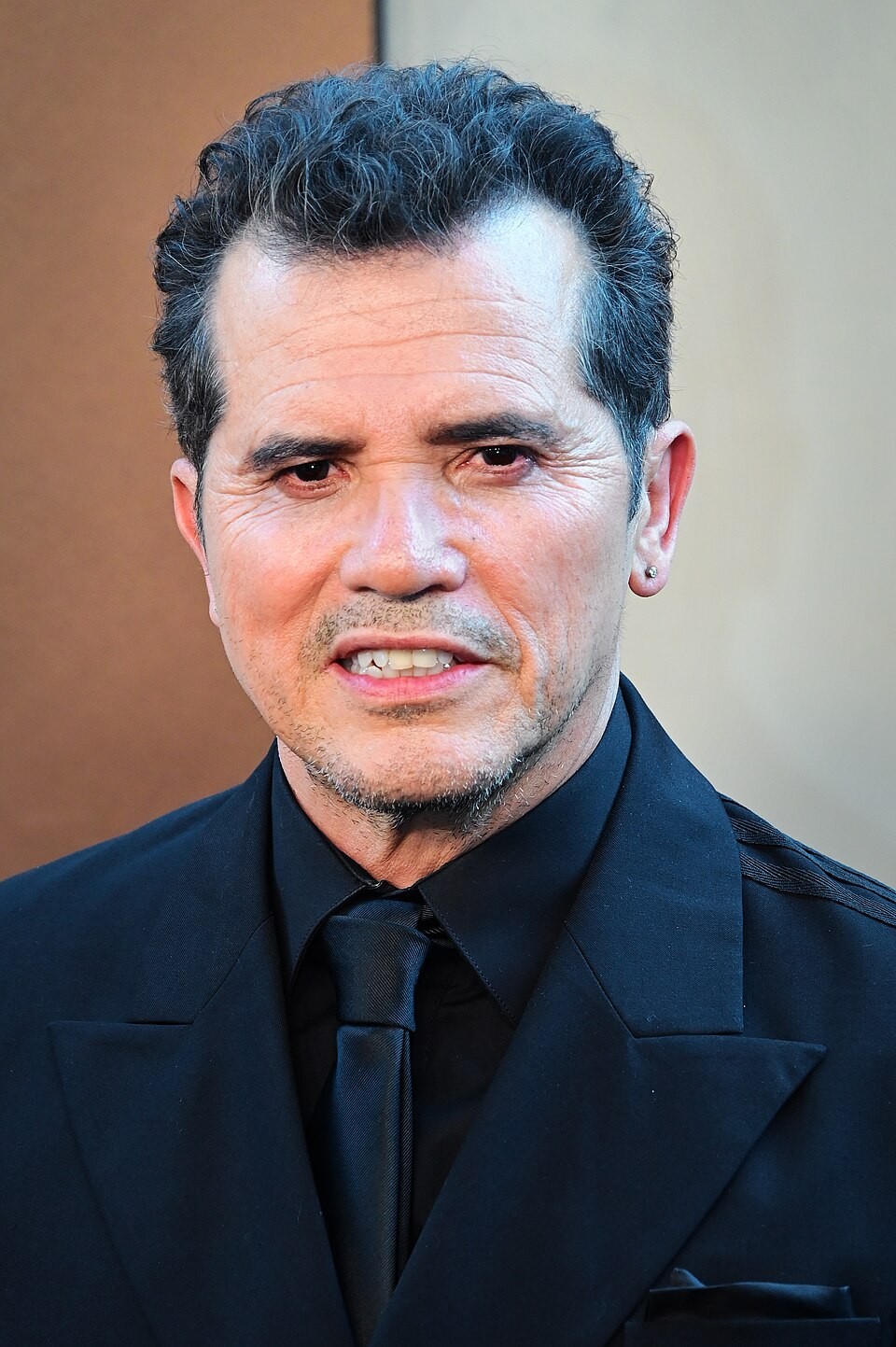
From Selena’s family table to Sleep Dealer’s troubled future, Jacob Vargas has helped give Latino life its humor, contradictions, and humanity on screen. His work deserves our attention.
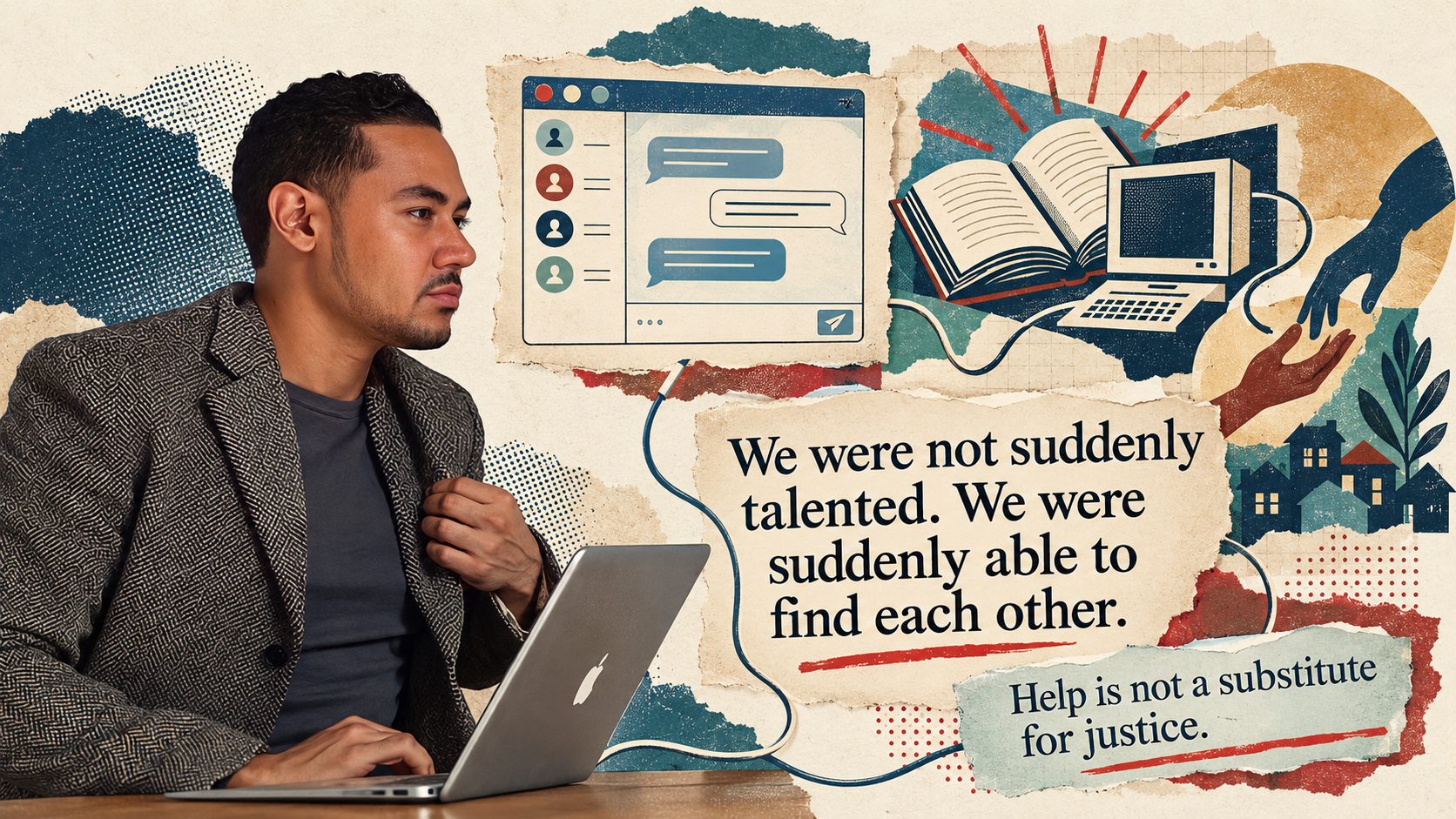
Latinos need more than a lecture about technology. We need access, time and resources, not another purity test. What do we stand to lose when we disconnect, and who can afford that loss?
I want creators to get these resources. But racist lending has a documented history, access remains unequal, and the government is weakening tools meant to expose discrimination. Let’s try without pretending any of that disappeared.
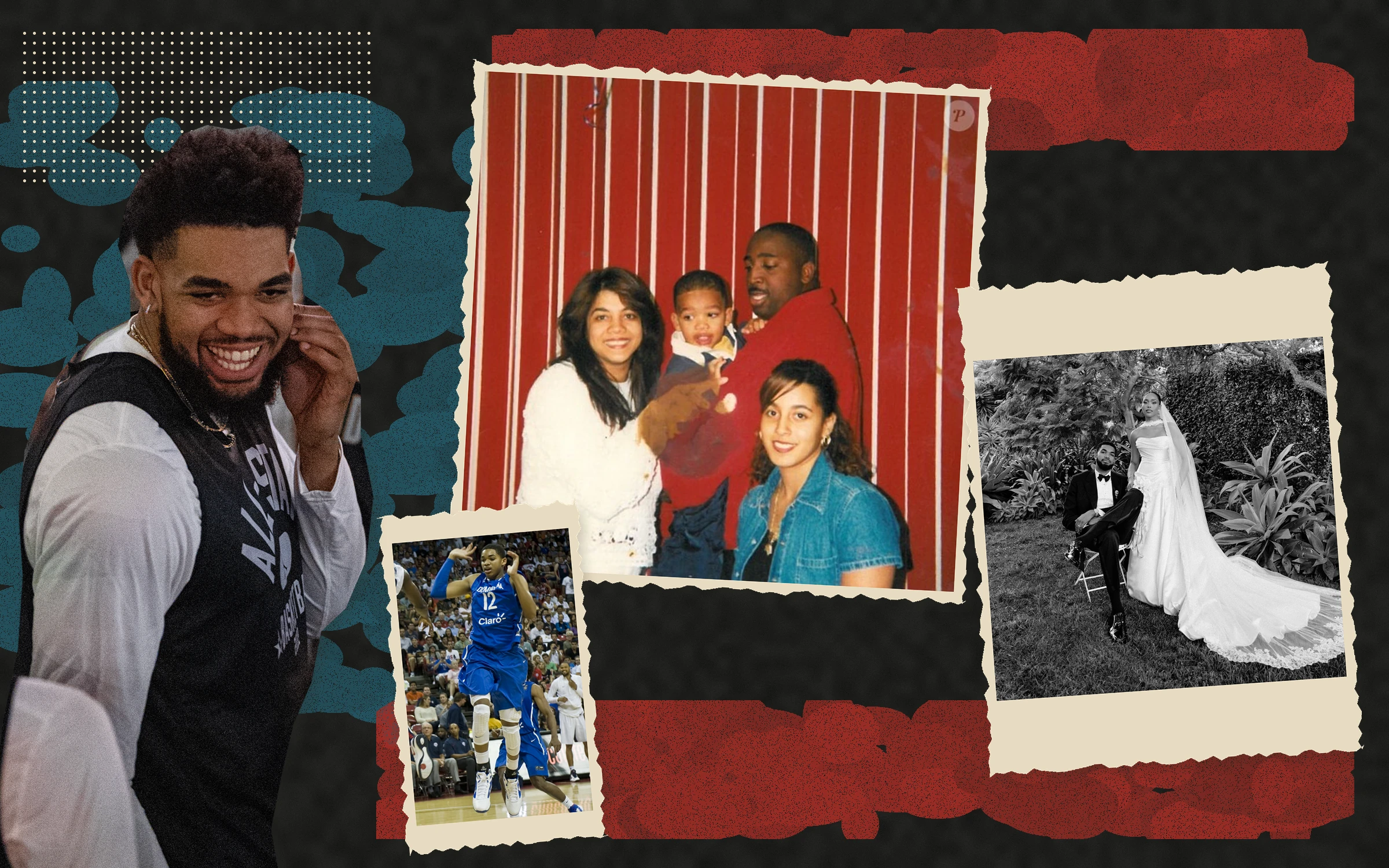
The collage is an illustration by César Vargas using the photographs credited below. Individual photographic credits are separate from the article byline and illustration credit.
Arturo seated in his atelier and working during his Ralph Lauren period: photographs courtesy of Arturo Castañeda, as credited by La Revista Mujer. Individual photographers are not identified.
Erin Lim Rhodes at the 2026 Oscars: David Fisher / Shutterstock, via E! News. E! credits her outfit to Arturo Castañeda Contreras.
Who Decides War SS22 orange recycled-parachute gown: photograph credited to Who Decides War in Hypebeast’s gallery; individual photographer not named. Creative attribution: Who Decides War / Ev Bravado and Tela D’Amore. Arturo and his team’s construction contribution is described in Tela D’Amore’s Office interview.
Kamala Harris on Inauguration Day, January 20, 2021: Jerry Glaser / U.S. Customs and Border Protection. Original photograph and Wikimedia Commons record. U.S. government work, public domain in the United States. Garment design: Christopher John Rogers. Overcoat pattern and construction: Arturo Castañeda and his atelier, with assistance from Daesha Cano; dress pattern: hips.studio; dress construction: Arturo Castañeda. Construction credits.
Read the articleDesign: César Vargas. Central portrait adapted from “138165_3085”, ABC/Image Group LA, via Walt Disney Television/Flickr (source: CC BY-ND 2.0). Promotional clippings: Task; Mr. Crocket (Hulu key art); A Diamond Within (Plowshares Theatre); InVade (a film by Eunice Levis; poster credits 50 East Collective LLC, All Area Crew and Ball Busters Inc.); El Tiguere (a film by Andrew J. Rodriguez; supplied by producer Yuki Maekawa-Ledbetter). Individual promotional-image photographers and poster designers were not identified in the inspected sources.
As Meta plans Community Notes testing in Latin America, the people expected to fight misinformation are losing the resources to do it. Who gets funded, who gets heard, and who gets left to fend for themselves?
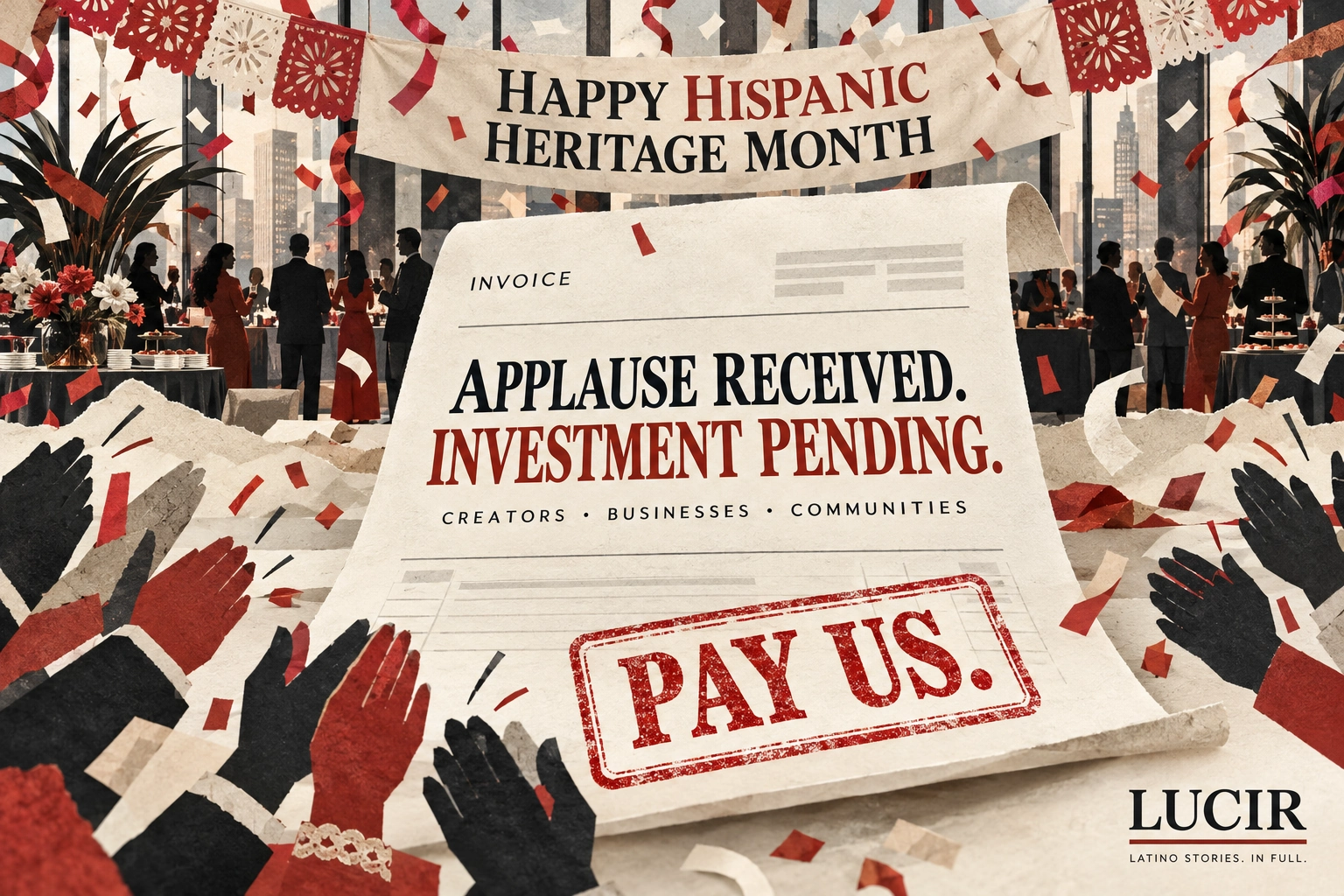
The people building your future are coming for theirs. We deserve the applause, the contracts, the investment and the opportunity to thrive in the economy we help sustain.
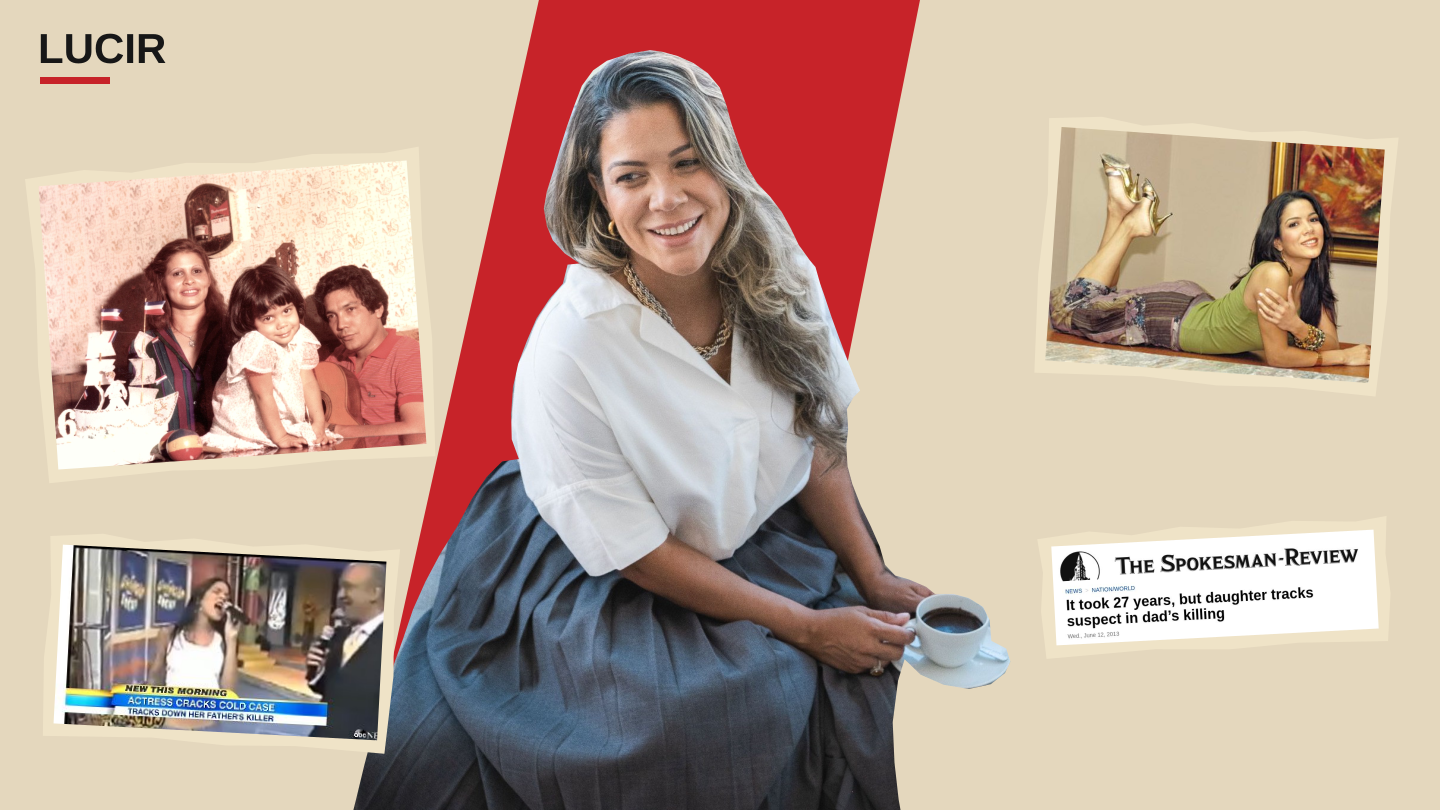
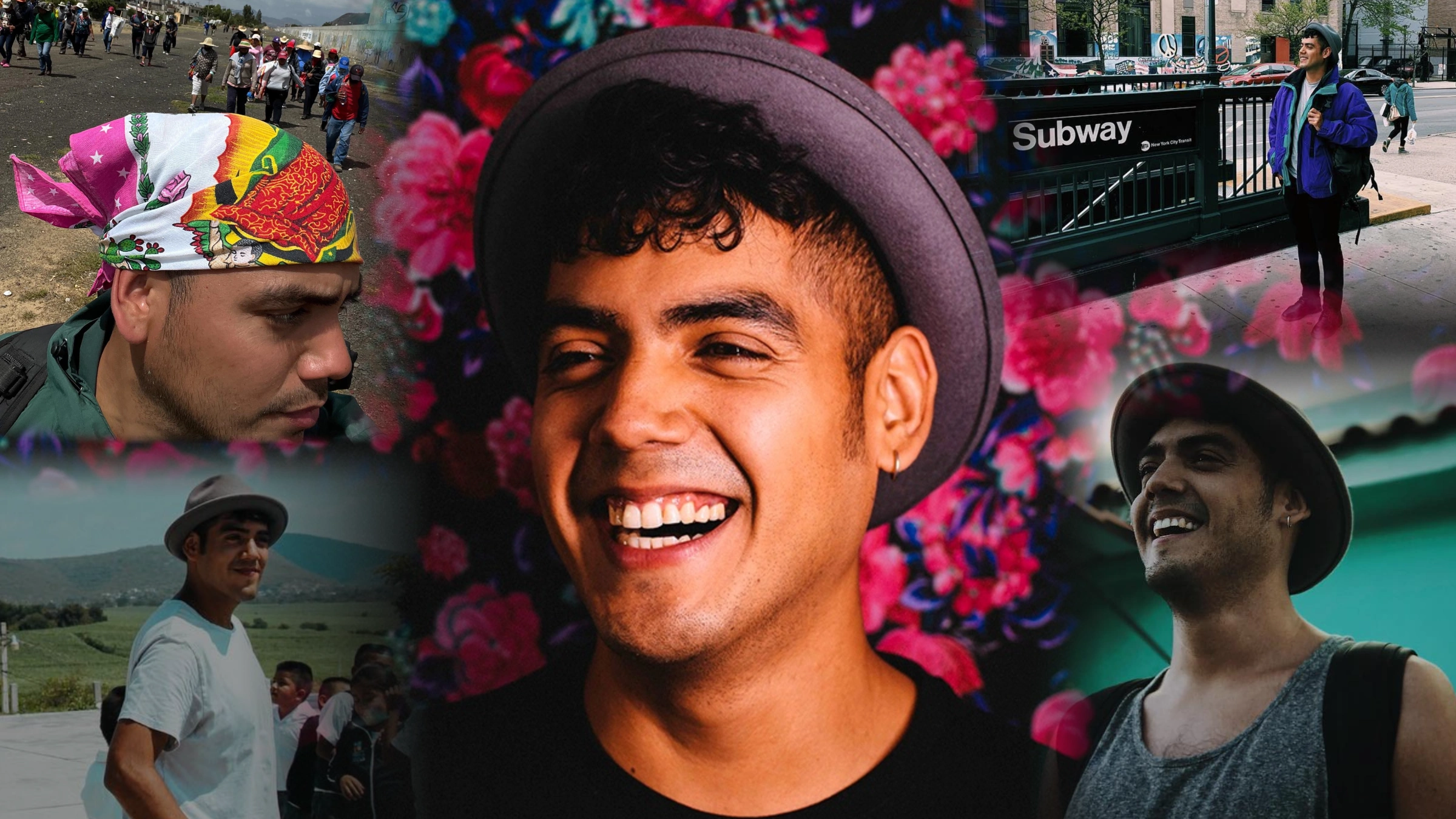
Debbie Perez is helping make stories, helping other stories find an audience and helping an audience remain connected to Puerto Rico beyond its most marketable images.
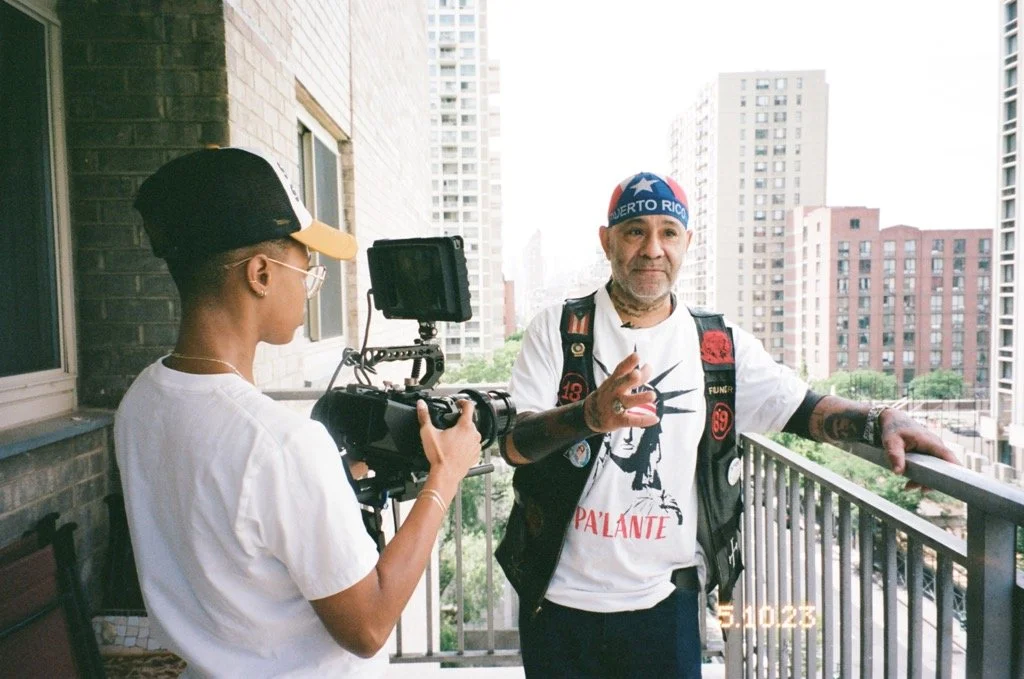
A Puerto Rican flag can travel around the world in a music video. The people who fought for what it represents deserve to travel with it. Their names, their work, their stories.
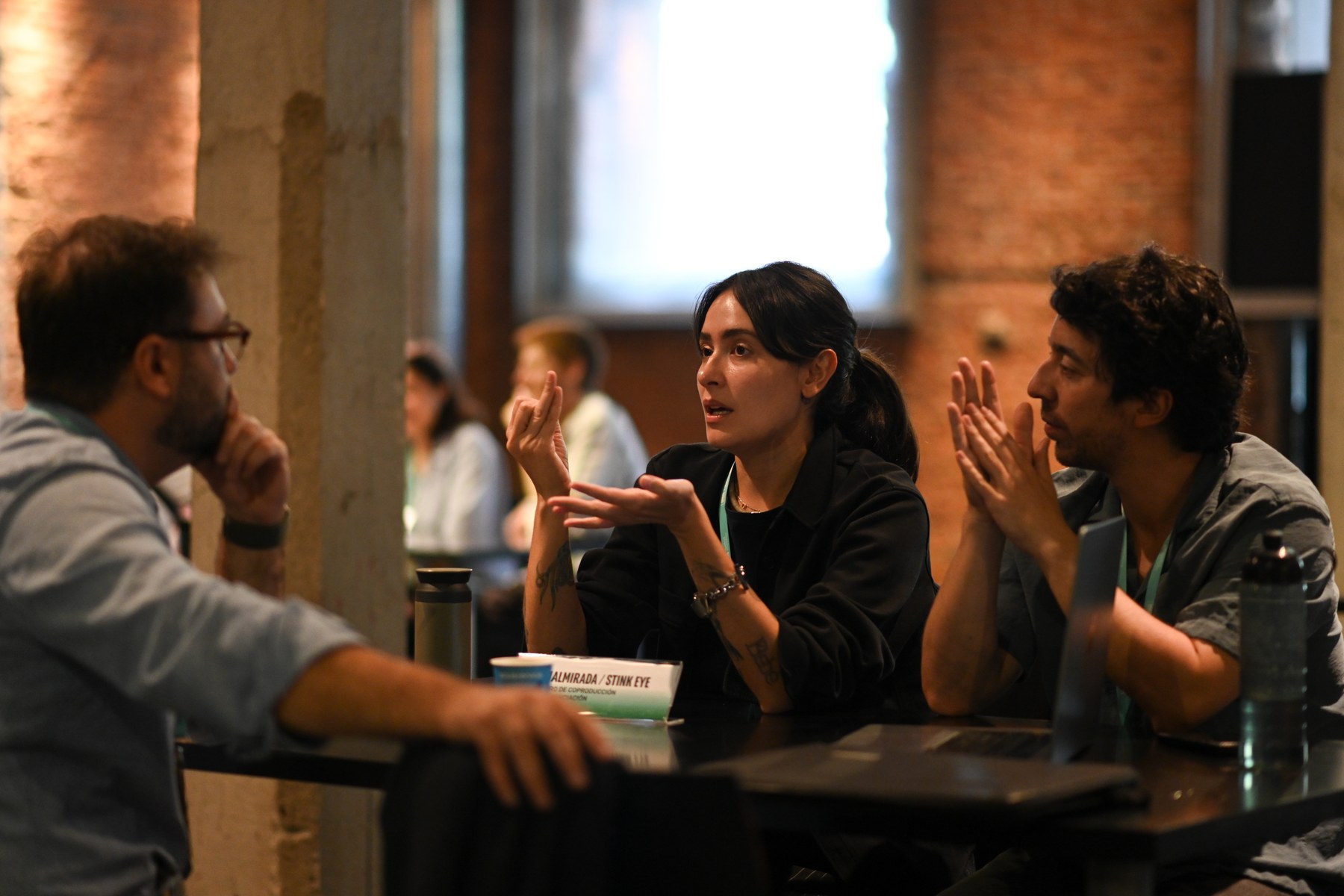
New figures show a larger international gathering in Madrid. Its financing forum reveals the practical work behind getting Latin American stories to screens.
The October 6 takeover brings major studios and streamers under Skydance. For Latino creators, the test is who gets commissioned, reaches audiences and keeps working.
Official viewing options and upcoming releases. Availability checked October 3, 2026; services and regions vary.
Film / 2021 / ON DEMAND
Prayers for the Stolen
In Tatiana Huezo’s drama, three girls in a Mexican mountain community rely on friendship while the surrounding violence shapes childhood. Start with the film, then read LUCIR’s essay on how the girls retain their own story within that pressure.
Netflix US catalog listing observed; access requires an eligible account and catalog may change.
Isabel Allende’s family saga reaches television in Spanish, with Alfonso Herrera, Dolores Fonzi and Nicole Wallace among the cast. This eight-episode adaptation offers a way into a story where inheritance means carrying political history as well as family memory.
Prime Video lists the series as streaming. Its first episodes premiered April 29, 2026. Subscription and territorial terms apply.
Los Tigres del Norte open the 2026 Hispanic Heritage Awards with a performance of “La Jaula de Oro.” The short PBS clip lets the song’s migration story stand in the group’s own voice, with captions on the official viewing page.
Official PBS clip page offers streaming on pbs.org and PBS app; availability and station presentation may vary.
Latinos need more than a lecture about technology. We need access, time and resources, not another purity test. What do we stand to lose when we disconnect, and who can afford that loss?
The September 10 announcement gives independent bookstores, literary creators and graphic narrative a visible place in TikTok’s Mexican book ecosystem. Its promise depends on what visibility can sustain.
Work with us on your next chapter. Mentorship, practical training and project development through LUCIR. Strategy, production and promotion through azul.
LUCIR continues the work César Vargas began with LIFT—“I Want to See More Latinos in Film and TV!”—and expanded as UPLIFTT, United People for Latinos in Film, TV and Theater.
Through writing, video and audio, we center Latino creators, challenge narrow portrayals and make room for the full complexity of our communities.
Film, television and theater remain at the heart of LUCIR. Our coverage reaches into music, sports, technology, education and economic opportunity because our collective well-being depends on our collective power—and our active involvement in every part of society.
Afro-Latino, Indigenous, mestizo and white Latino experiences belong in this conversation, across nationalities, languages and communities. We deserve to create, lead, own, question and shape what comes next.
106 articles and interviews, including work by César Vargas and other UPLIFTT contributors, alongside his essays from other publications. Each piece retains its own byline, original publication details where known, and source.