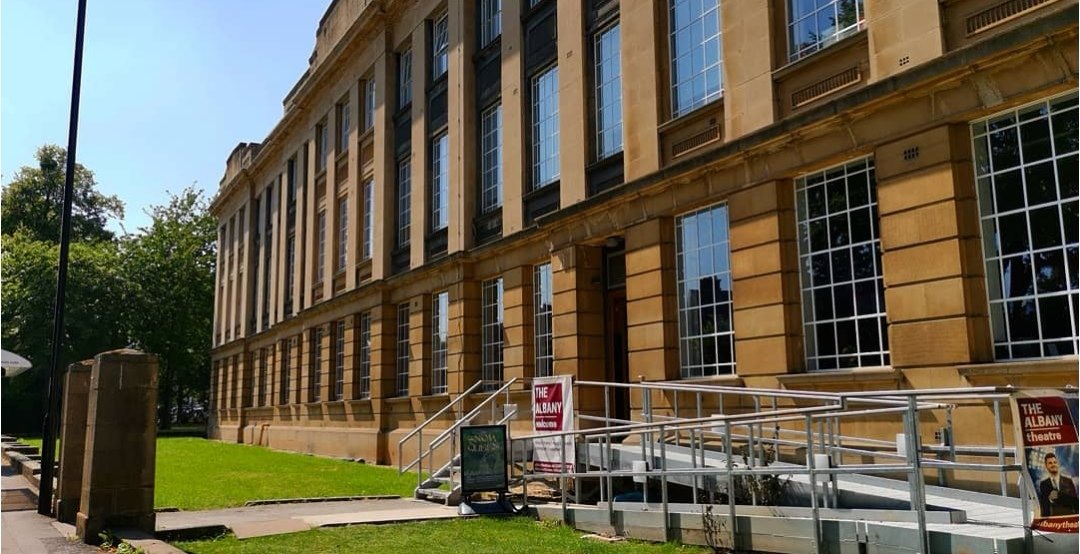

The theater kid in all of us deserves more than a private memory of a place where we once felt free. That phrase can sound playful, but it carries a serious question: where are people allowed to be expansive, curious, expressive, and unfinished without being punished for it? A theater is never automatically a safe space. Neither is a school, a workplace, a family, or a community organization. Safety is made through repeated choices about who is heard, who is protected, and whose difference is treated as part of the room rather than a disruption to it.
I believe we should continue creating a world that is safe for our children and ourselves. Those two commitments cannot be separated. Children learn what is possible by watching how adults respond to vulnerability. If we tell young people to be themselves while rewarding conformity everywhere else, the lesson collapses. If we celebrate creativity only when it is marketable, or accept sensitivity only when it is convenient, we make freedom conditional. A child may be invited onto a stage and still be taught to edit the parts of themselves that make the performance honest.
Theater offers a useful image because it requires collective belief. A performer needs the labor of many others: people who write, direct, build, light, organize, usher, listen, and keep the doors open. No one actor creates the conditions for a scene alone. Belonging works in much the same way. It cannot be delegated to the person who has been excluded. The work belongs to everyone who benefits from a space and everyone who has a say in its rules.
That does not mean turning every room into an uncritical celebration. A safe space should have standards, disagreement, and accountability. The question is whether those standards are used to build capacity or to shrink people into silence. There is a difference between inviting someone to grow and requiring them to erase themselves to remain welcome. Too often, institutions call that erasure professionalism, maturity, or fit.
May the theater kid roam free. May that freedom mean more than applause after a performance. Let it mean that people can bring their full range of humor, care, ambition, awkwardness, and imagination into the places where they learn and work. A culture of belonging is not achieved when no one feels uncomfortable. It is achieved when people do not have to trade their humanity for a seat in the audience.