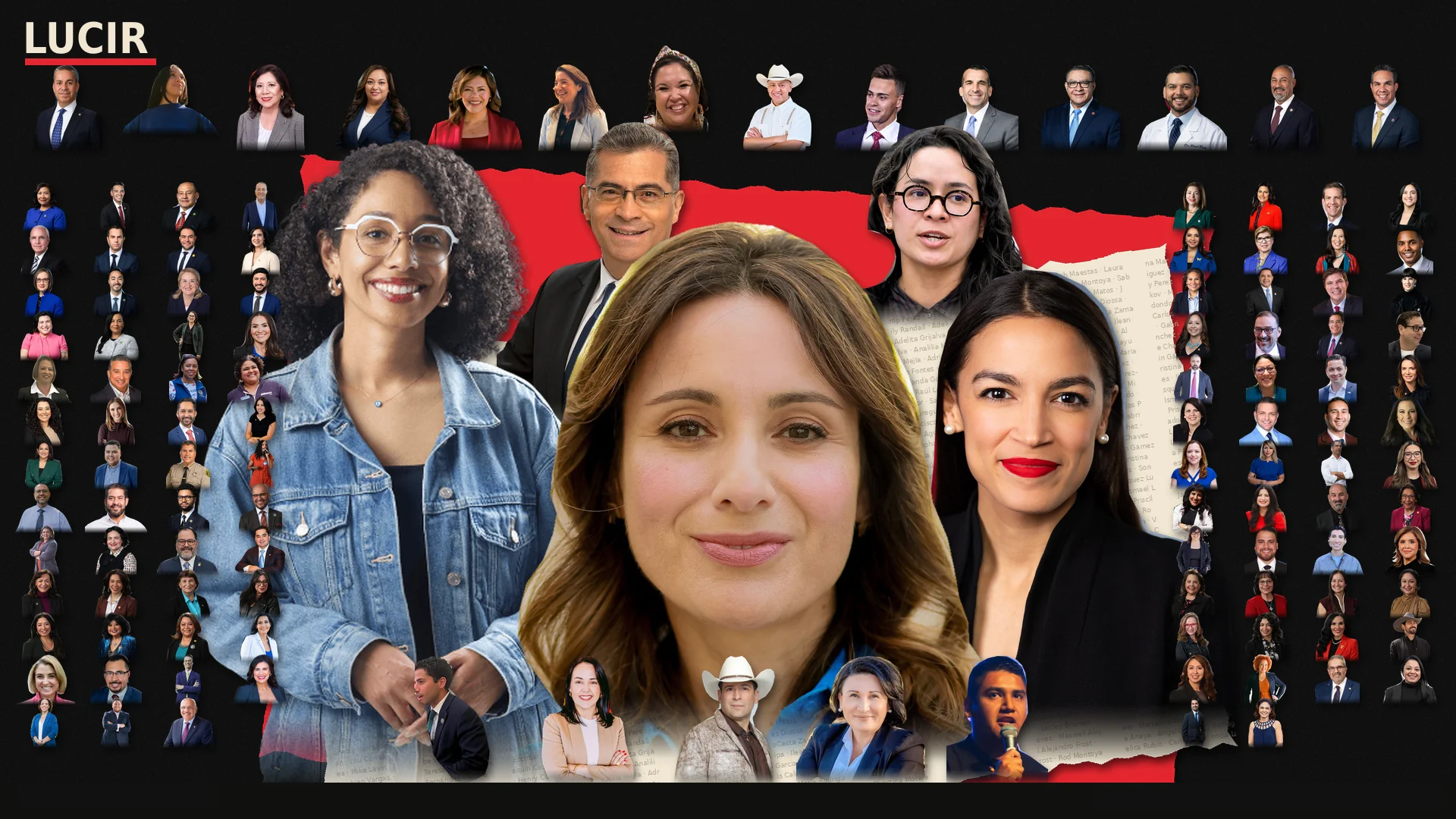






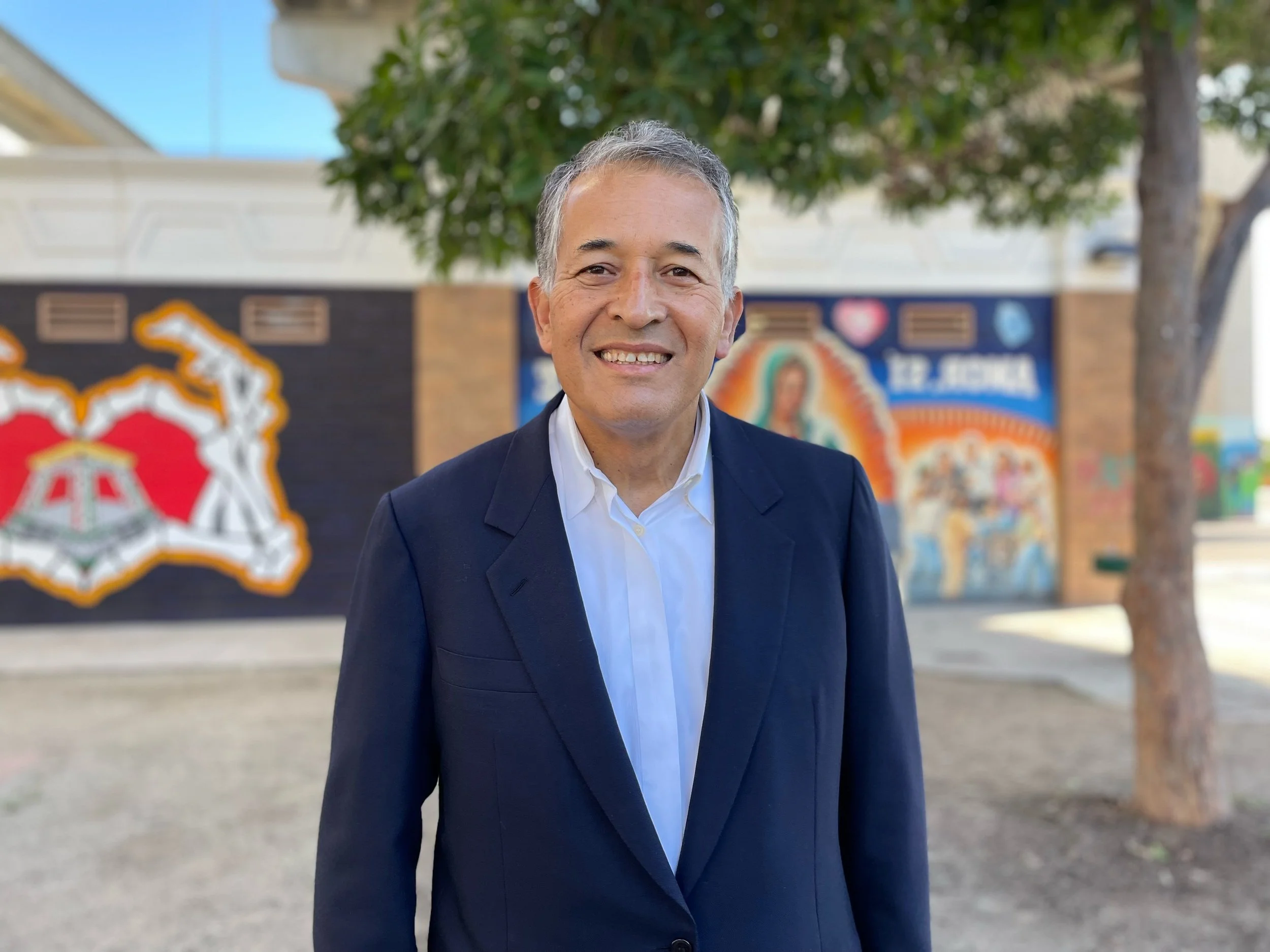


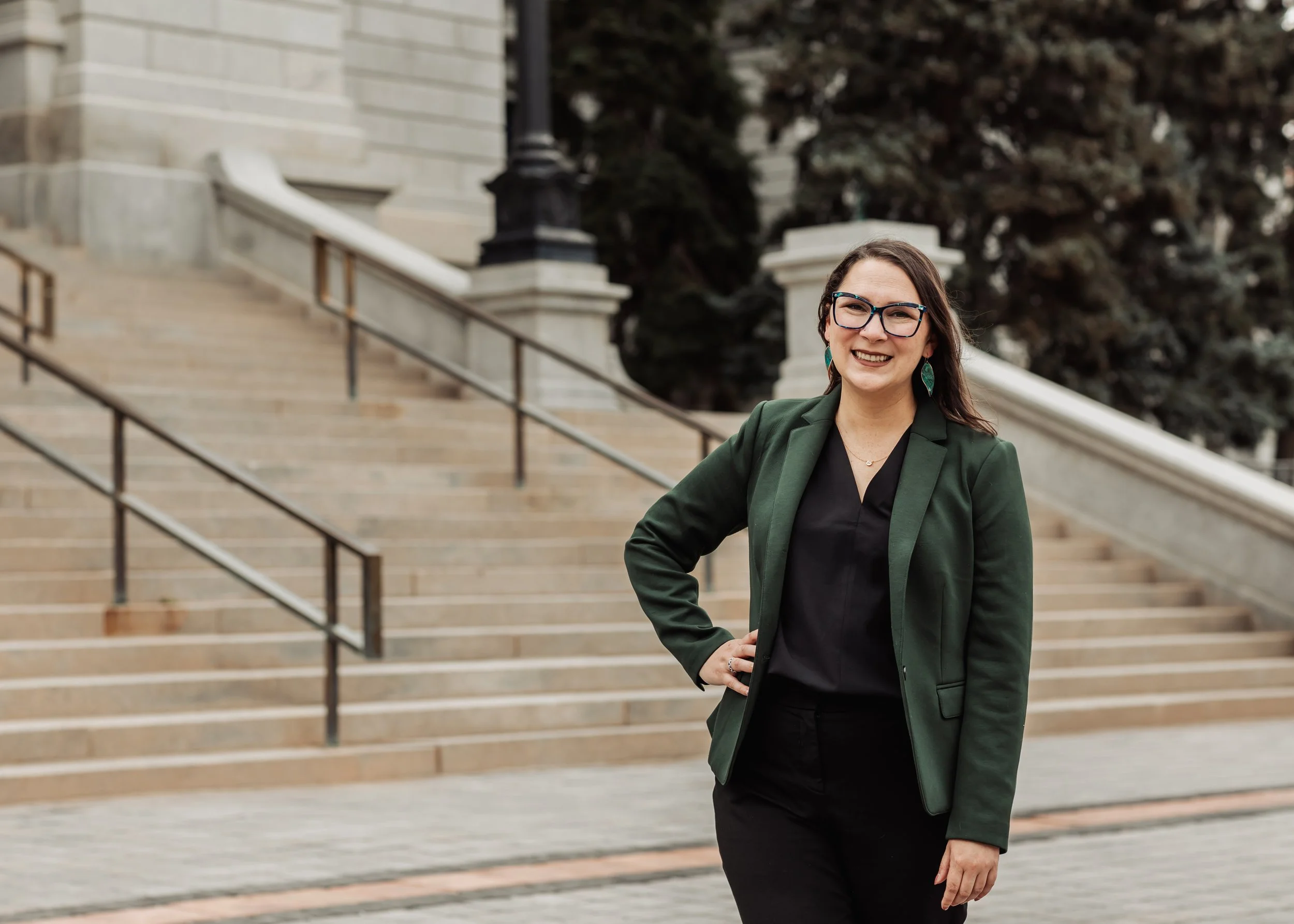


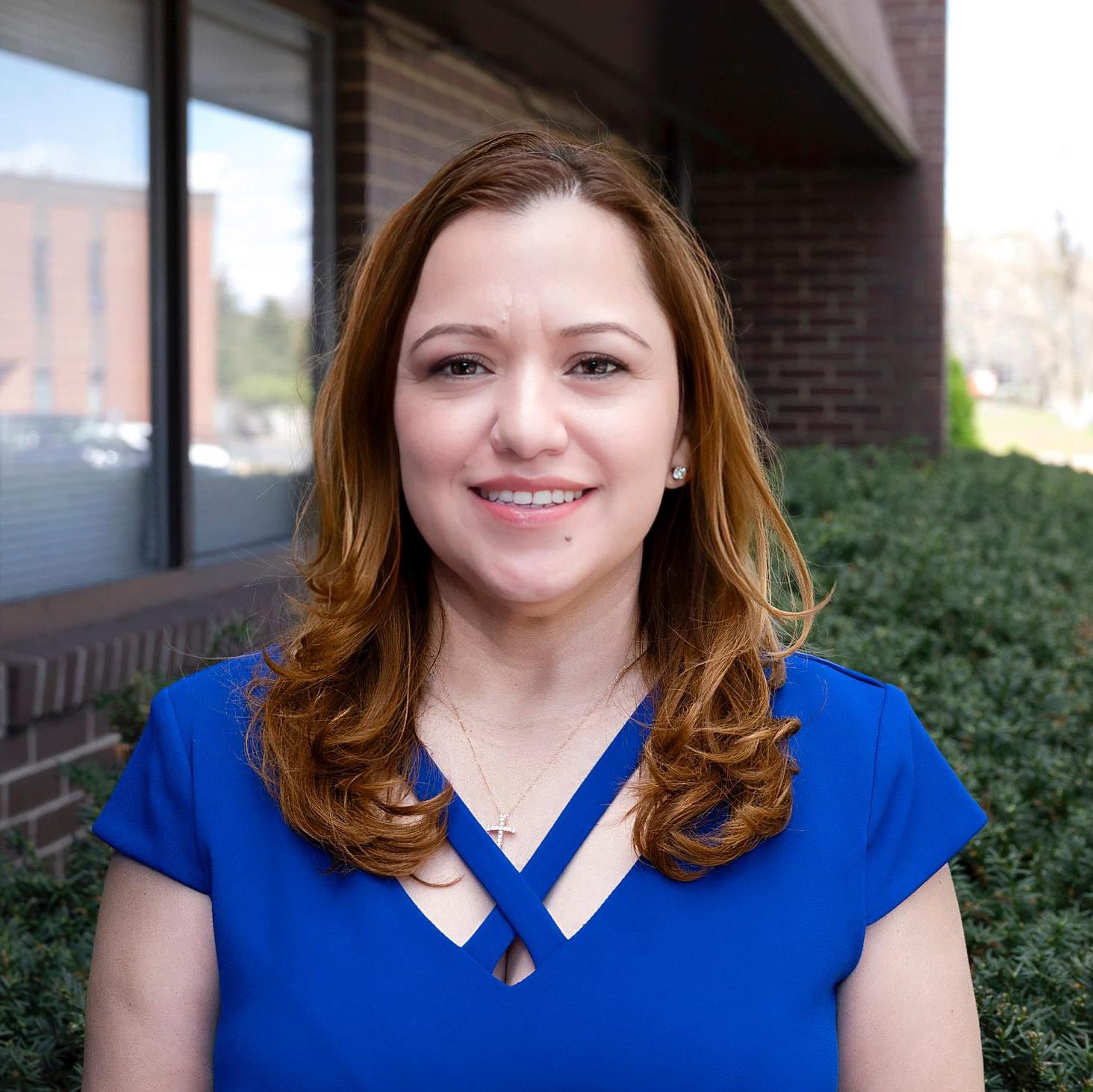

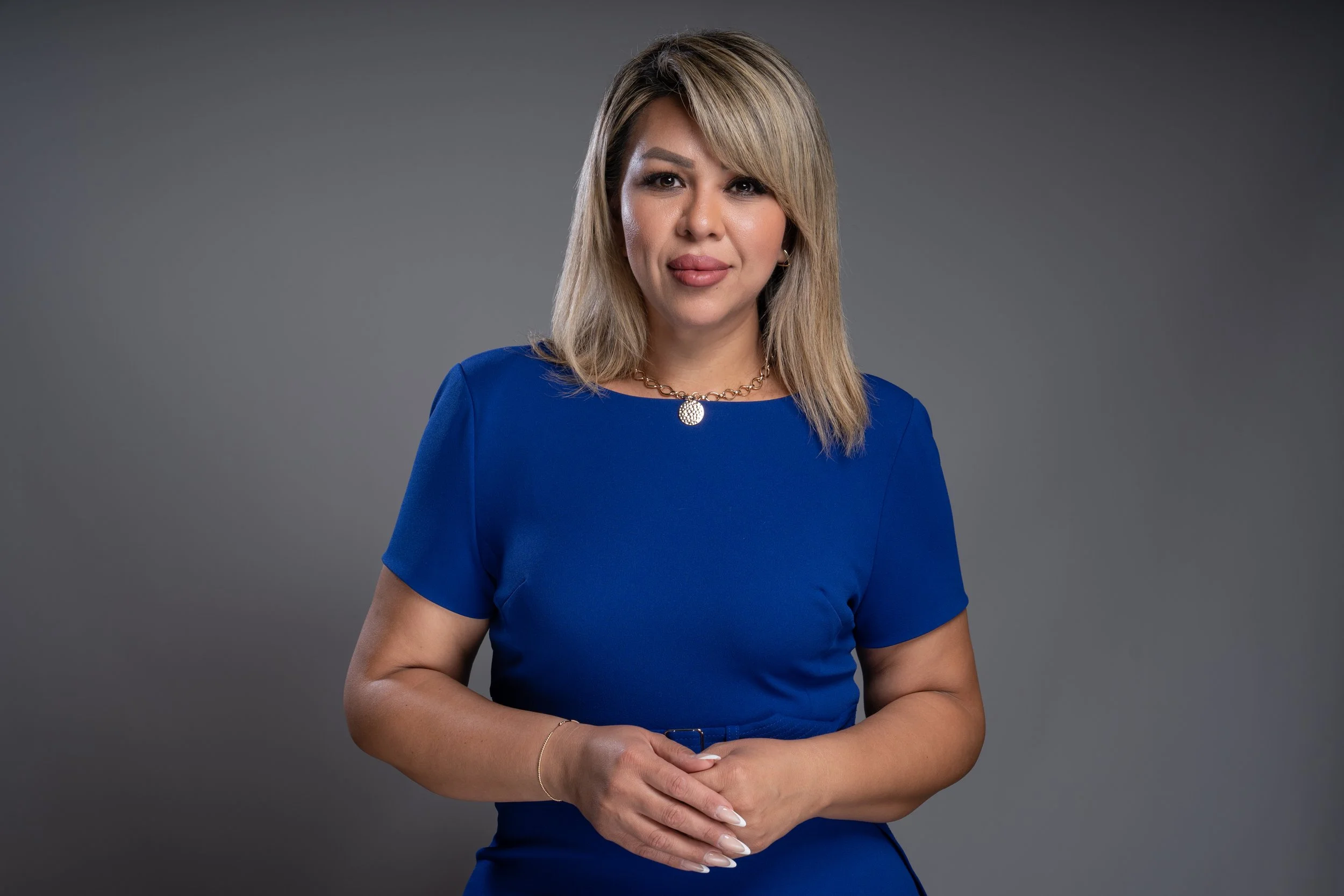


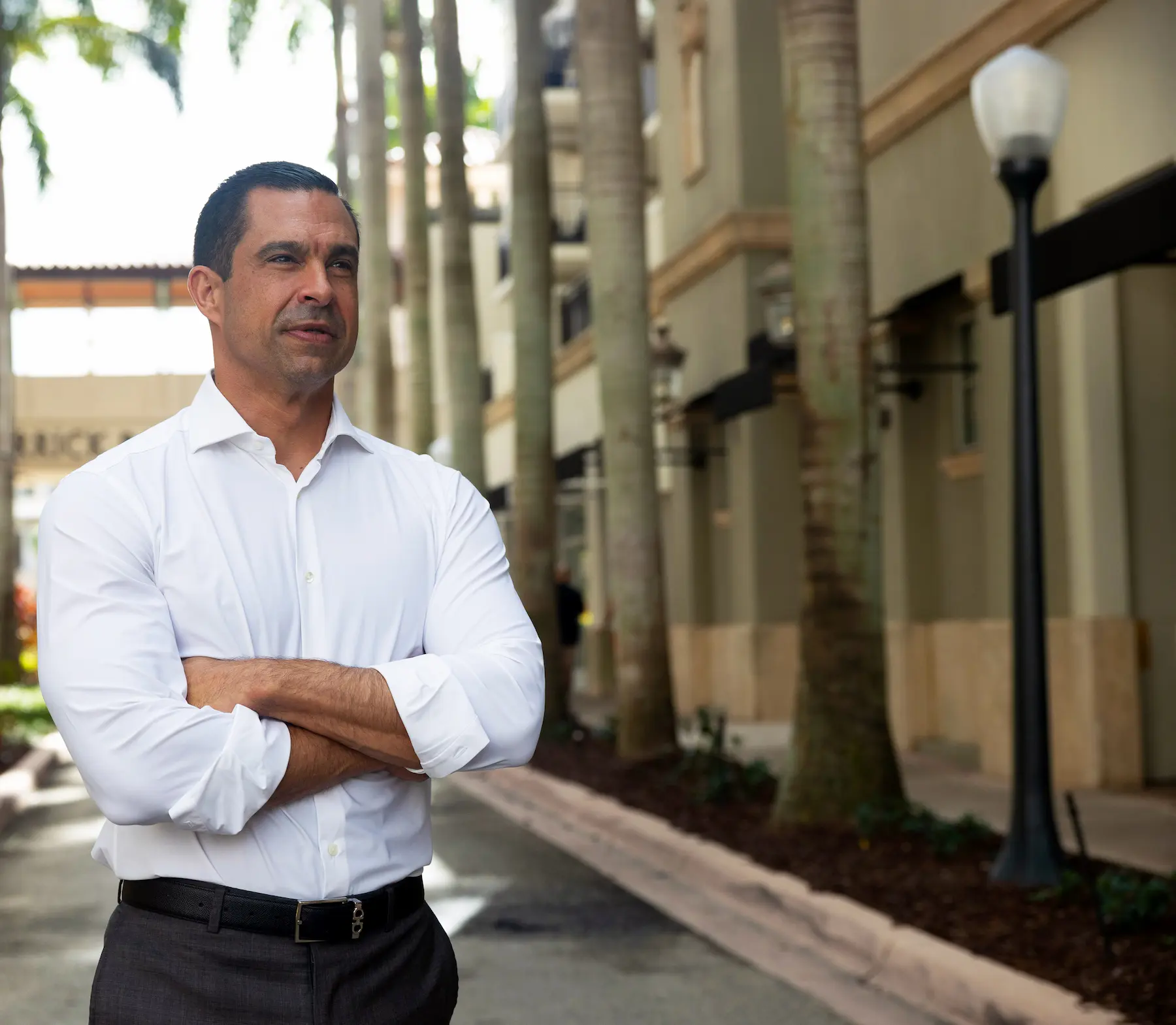


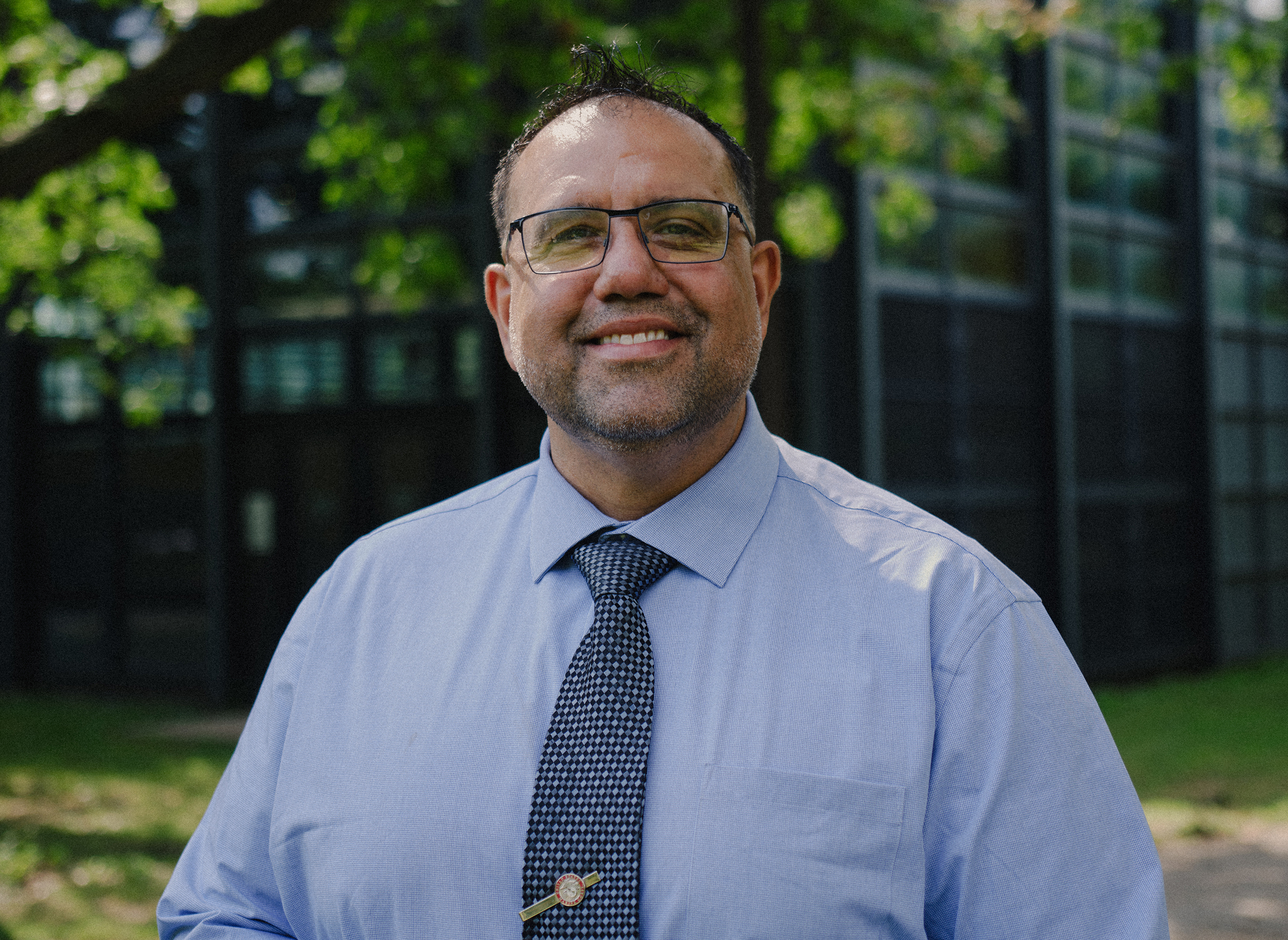
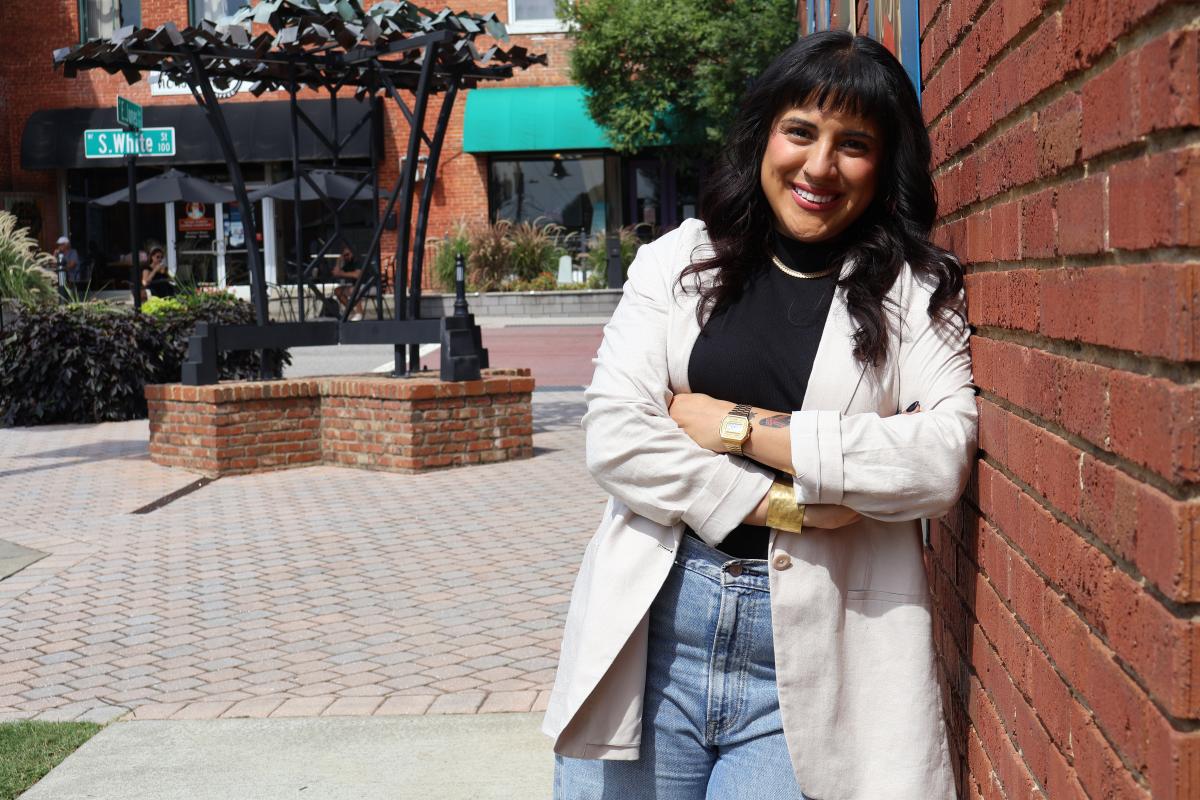

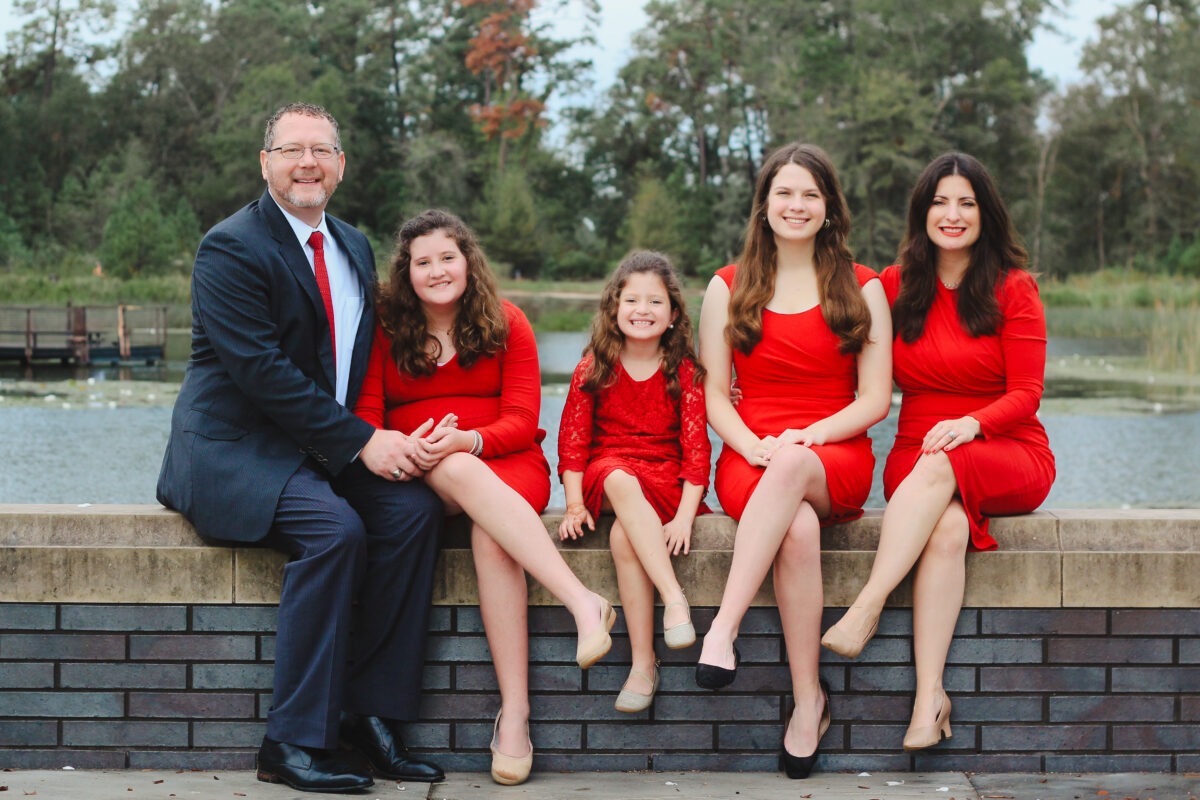


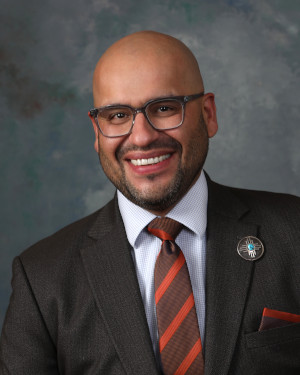


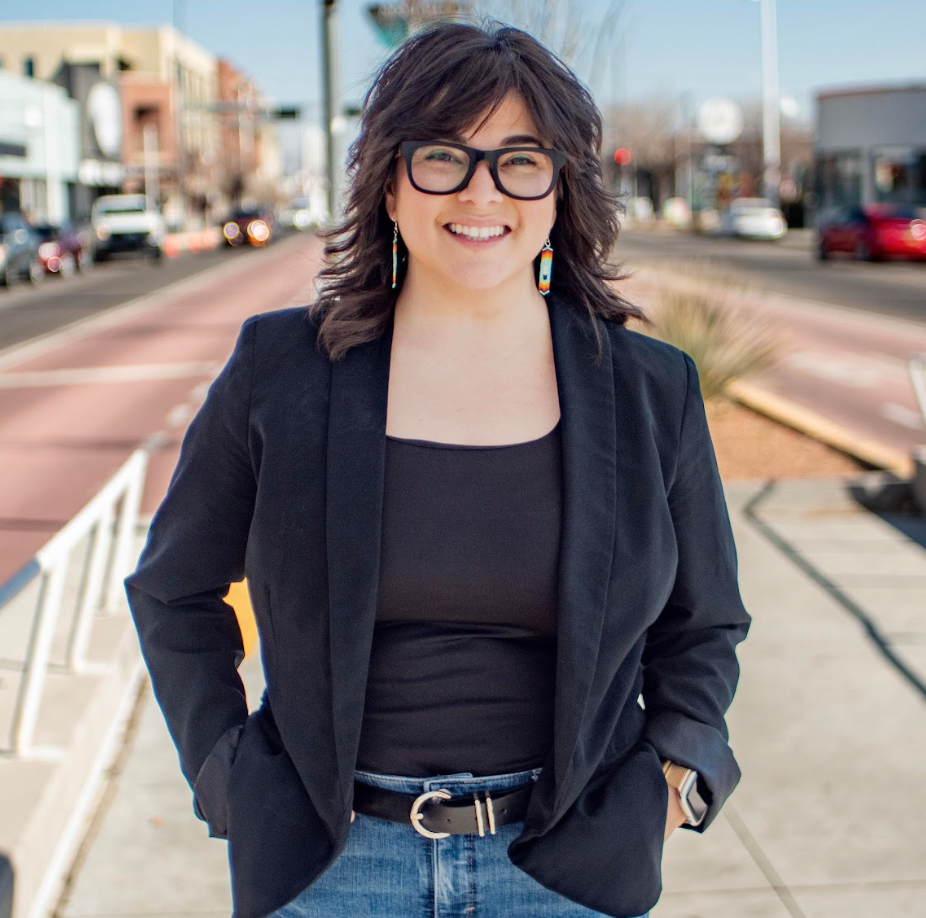


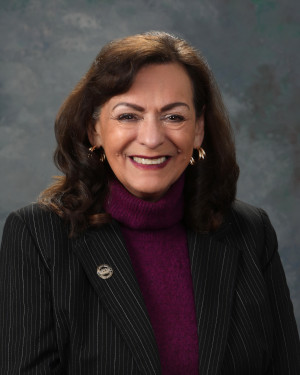


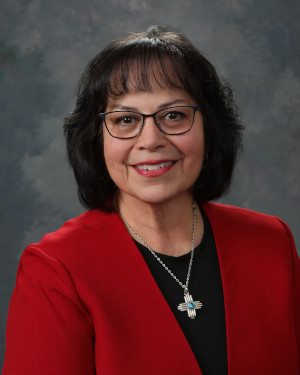


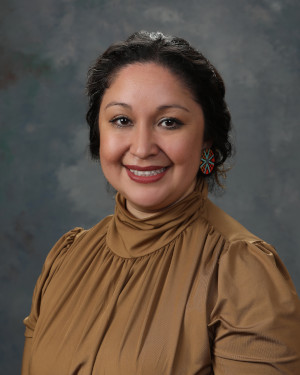

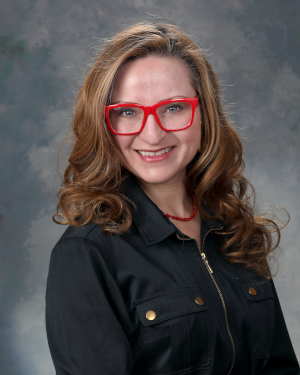


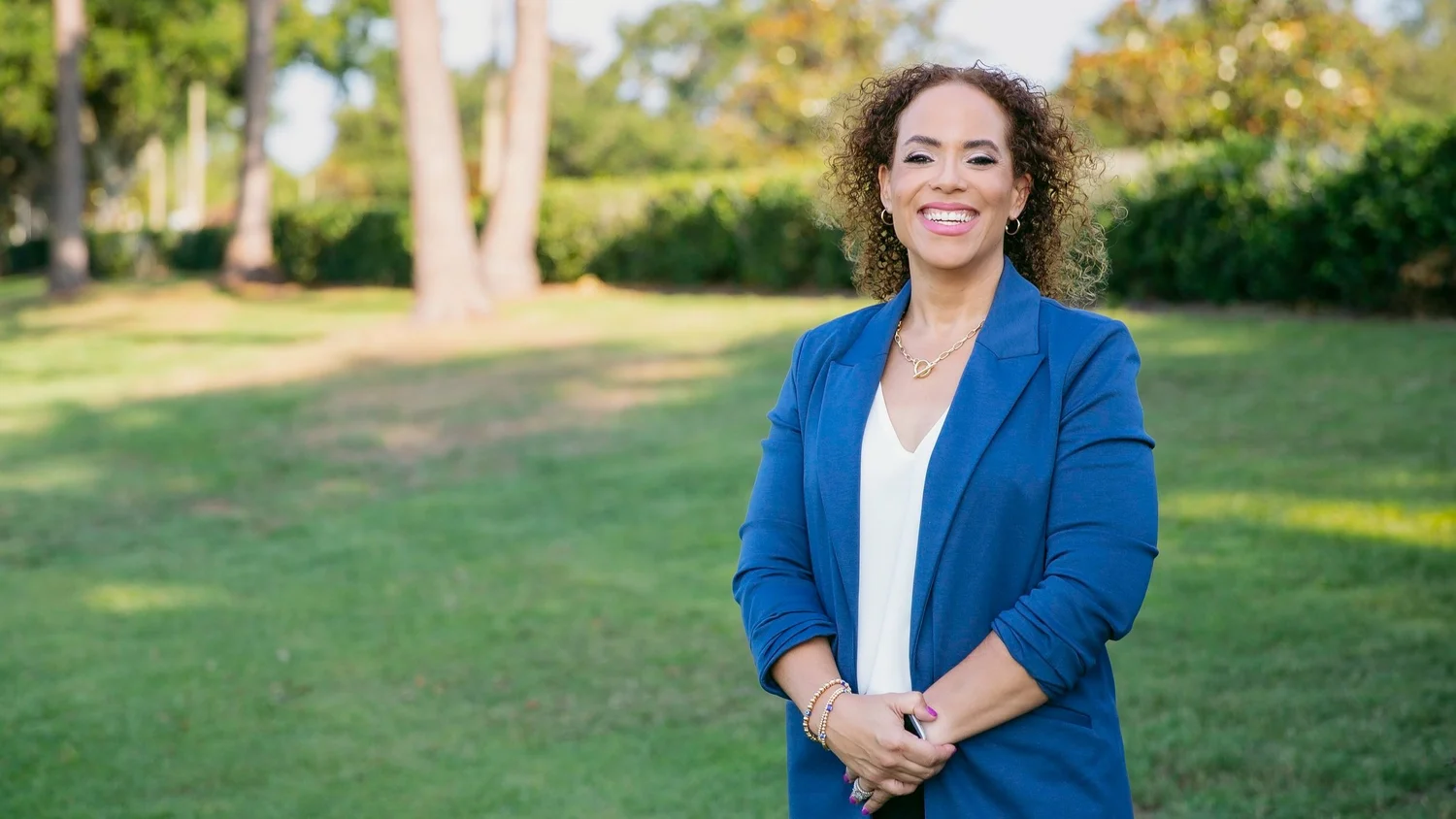


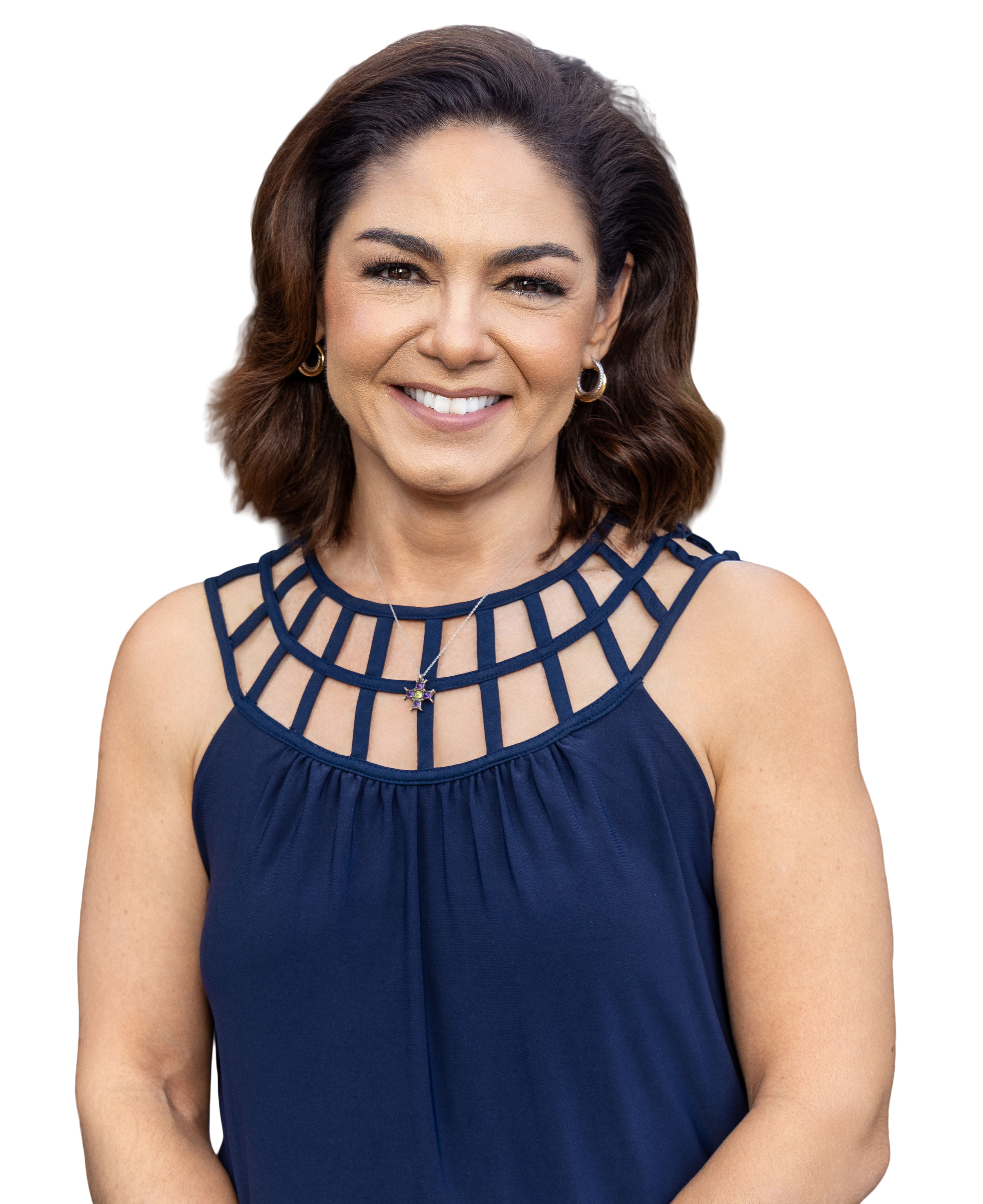
Gina Hinojosa defeated Greg Abbott. Texas will have its first Latina governor. That deserves a celebration. So does Darializa Ávila Chevalier’s victory in New York’s 13th Congressional District. These are meaningful wins, and they give other Latino Democrats something to learn from: a willingness to argue for stronger public institutions and more security for our people. Hinojosa’s victory ends more than three decades of Republican control of the Texas governor’s office.
Celebrate the candidates. Remember the people who made those campaigns possible, too. The volunteers, the organizers, the people who kept showing up when a victory was hardly guaranteed. Their work should not disappear the moment we find a face to put on the achievement.
Then let us talk about what happens after the party.
I want these victories to reach people who will never receive an invitation to an inauguration. The parent trying to keep a child in a decent school. The worker postponing a medical appointment. The family whose entire financial plan depends on nothing going wrong this month.
What do they get?
Look at the policies
Hinojosa, vice-chair of the Texas Legislative Progressive Caucus, offers a concrete example in her fight for public education. Her campaign committed to ending school vouchers, returning districts taken over by the state to local control and raising teacher pay. Those commitments put public investment and community control at the center of the agenda. More Latino Democrats should be prepared to make that case. Her education platform sets out those promises.
Ávila Chevalier’s agenda is also explicit: Medicare for All, tenant protections, affordable housing, stronger unions and free public education from childcare through college. She is entering Congress with a program that asks government to guarantee more of what people need to live. Those are her stated priorities, and they offer other Latino Democrats a more ambitious starting point.
Hinojosa has a legislative record. Ávila Chevalier has yet to cast a congressional vote, so we can assess her commitments now and her congressional work as it develops. Their experience and offices differ, but both offer a clear direction for Latino Democrats who keep asking our communities to settle for less.
The sharper pressure belongs on corporate-aligned Latino Democrats and those occupying the political middle. They need to show what they have done with the power they already held. Which budgets did they support? Which protections did they strengthen or weaken? What did our communities gain from the compromises they made? A Democratic label and a Latino surname do not answer those questions.
When a Latino Democrat votes to protect corporate interests at our communities’ expense, we need to stay on their necks. Show us the vote, the consequences and what they are doing to change course. Learn from Gina and Darializa’s willingness to fight for public investment and a more secure life. Put that commitment into legislation, budgets and votes.
Take a specific vote. On January 12, 2024, Henry Cuellar and Lou Correa voted for H.J.Res. 98, an effort to overturn the National Labor Relations Board’s 2023 joint-employer rule. The House roll call records both votes. The rule would have broadened when companies sharing control over essential working conditions could be required to bargain with workers, including when that control was indirect. The NLRB explains the intended standard.
President Biden vetoed the repeal resolution. A court separately struck down the rule before it took effect, so their vote did not itself repeal it. But Cuellar and Correa should still explain how opposing that expansion of bargaining obligations served the workers they represent. We can examine an actual vote without pretending we know a politician’s private motives.
Wealth that reaches our people
I want our communities to have material wealth. Savings. Homes people can afford to keep. Businesses that can survive without predatory financing. Retirement that does not depend on a child finding enough money to support an entire family. The ability to miss a week of work without watching everything collapse.
I also want public institutions that make a decent life possible for people who will never own a business or a home. A renter deserves security. A disabled person deserves care. A worker should not have to become an entrepreneur to afford being alive.
There is something deeply wrong with an idea of opportunity that requires everybody to escape the work society still needs somebody to do.
Better pay matters. So do the expenses waiting to swallow it. Housing, childcare, healthcare, transportation. If a raise disappears into a rent increase or an insurance bill, people have every reason to ask why their lives still feel so precarious.
That is why I am interested in who owns things, who makes the rules and who has enough power to negotiate. Workers need leverage. Tenants need protections. Families need services they can rely on. Small businesses need customers who have money left to spend.
In “Destroy the Hispanic Industrial Complex,” I challenged the idea that the visibility and success of a select few could stand in for the material advancement of our communities. That concern applies to electoral politics, too. I wrote there about neoliberal politicians exploiting identity for votes, money and power. I also made that case in my Latino Magazine essay on neoliberalism. The question remains: does the government they help run expand what people can count on together, or leave each of us to buy our way to a tolerable life?
A community cannot build wealth by watching somebody else become influential.
And when we say “our communities,” we need to mean more than the people easiest to put in a campaign photograph. Latinos have different races, national origins, immigration statuses, incomes and political beliefs. A policy can benefit some of us while leaving others behind. We should be able to name that without being accused of spoiling the celebration.
Whose pay went up? Who can get care? Who still cannot apply? Who is being pushed out of the neighborhood? Those questions belong beside every announcement of progress.
Culture has material conditions
This is a cultural argument, too. In my 2015 HuffPost essay on being Latino and relatively conscious in this country, I connected education, healthcare, wages, housing and representation. I still refuse to pretend that our lives divide neatly into those categories.
The stories we tell about success teach us what to admire. If the story always ends when one person reaches a powerful room, we stop looking at what happens outside it. We learn to recognize an individual breakthrough more quickly than a collective improvement.
I work in culture because I care about how our people are seen and understood. I also care about whether the people making that culture can pay their bills. Writers need time. Filmmakers need financing. Artists need healthcare and somewhere to live. A child with talent needs a school that has not decided the arts are disposable.
Public policy helps determine who can afford to create and whose work survives. It shapes whether a neighborhood keeps the people who gave it its culture. We cannot keep celebrating Latino creativity while treating the conditions that sustain it as somebody else’s subject.
The same family can care about its language, its dignity, its music, its safety and its rent. We should be capable of a politics that understands that much.
Latino voting and racial identity
A majority of Latino voters supported Kamala Harris in 2024. Pew’s validated-voter study estimated her Hispanic support at 51 percent, against Donald Trump’s 48 percent. Trump made real gains, and those gains deserve examination. They do not justify putting Latinos on trial as a people.
And Harris received that majority despite her June 2021 warning from Guatemala to people considering the journey to the U.S. border: “Do not come. Do not come.” What, exactly, is the “right way” to get here for people living under the boot of capitalism and colonialism, when those systems help create the conditions forcing them to leave? I want an answer that takes their lives seriously. I hear the language of the right in that warning. We see blue and automatically assume somebody is on our side, when we should be looking at what they say, what they do and whom their policies protect. Then, asked on The View in October 2024 what she would have done differently from Biden over the previous four years, she answered, “there is not a thing that comes to mind.” She later offered appointing a Republican to her Cabinet as a difference. That hardly answered a demand for a different direction for our people. A majority of Latino voters supported her anyway. We can hold her accountable for that rhetoric and record without accepting the scapegoating of our people for her loss.
The same Pew analysis found that 55 percent of white voters backed Trump. White men favored him by 20 points; white women by four. Their choices belong in this discussion, along with the decisions of influential figures such as Joe Rogan, Elon Musk and Hulk Hogan, who publicly endorsed him. Why should a Latino worker be made to answer for an entire ethnicity while people with enormous platforms are treated as individuals making political choices?
That unequal treatment adds to the cultural racism and xenophobia we already face. When an entire community is cast as deserving whatever happens to it, abuse and exploitation become easier to excuse. Others get to look away. The Latino who voted for Harris, the child who could not vote, the immigrant who is ineligible to vote: all disappear into the same accusation. And even a person whose vote I oppose does not forfeit the right to be treated as a human being.
I am tired of the lecture about Latinos voting against our interests when the people giving it cannot be bothered to say which Latinos, which interests or which policies they mean. If a vote makes housing less affordable, weakens workers or exposes families to detention, make that argument. Show the consequences. Stop treating millions of people as a personality defect.
Look at this election, too. Preliminary NBC News exit polling, reported by El Financiero, put Latino support for Democratic House candidates at 60 percent. Financial News’s account of the same early poll put Republican support at 35 percent. These are survey estimates, not a certified tally by ethnicity. They still describe a clear Democratic majority. The story that Latinos have collectively become Republicans does not survive that distinction.
An analysis published by the Hispanic Federation after the 2024 election argued that Trump would still have won if no Latino had cast a ballot. That finding deserves a place in a conversation that has spent so much energy assigning us the blame. No community owes a political party unanimity. The same survey identified inflation, jobs, housing and healthcare costs as Latino voters’ leading concerns. There is plenty of substance to discuss if the people on these platforms would do the work.
And we cannot discuss these votes while ignoring the insane levels of propaganda aimed at our people. It reaches us through traditional media and social media, including Spanish-language radio, podcasts and feeds. AP reported in 2024 on right-wing influencers spreading election falsehoods and QAnon conspiracies, and on how difficult falsehoods on the airwaves are to track. This targeting has a history. In 2020, Trump’s campaign ran a Spanish-language YouTube ad falsely depicting Maduro’s political party as supporting Biden. It was shown more than 100,000 times in Florida in eight days. Our histories and fears became material for a campaign lie.
The platforms have their own record to answer for. Factchequeado, Maldita.es and Tech Policy Press examined posts debunked in Spanish during the final months of the 2024 election; 55 percent of those sampled posts received no visible platform action. Meanwhile, Spanish-language journalists and outlets such as Radio Campesina were doing the work of correcting falsehoods. They deserve resources. And when one of our own influencers parrots this alt-right garbage, the familiar face does not relieve them of responsibility for what they are putting into our communities.
I addressed the business behind these platforms in “The TikTok Panic & Staying Ahead of the Ever-Changing Digital Space”. Legitimate privacy concerns belong in the discussion, along with corporate competition, advertising money and the rules that determine who reaches an audience. In “Who Pays for the Truth When Platforms Shift the Responsibility?”, I returned to the people expected to challenge well-funded falsehoods while struggling to finance their own work. How are we supposed to counter this deluge while our independent voices are left scrambling for the money to keep speaking?
And “they think they are white” is a lazy substitute for that work. Some of the people being described that way are white. White Latinos exist. Being Latino does not cancel the privileges of whiteness, and acknowledging those privileges does not make someone less Latino. I addressed this in “The Privilege of White Hispanic: Leaving Out the Rest” and “The Privilege of White Hispanic II: Facts, Stats, and Cognitive Dissonance.” Our shared label has never guaranteed equal access to jobs, money, media or political power.
Those differences deserve more than a fight over terminology. In Pew’s March 2021 survey, 41 percent of darker-skinned Latino adults reported discrimination or unfair treatment from other Latinos, compared with 25 percent of lighter-skinned adults. Skin tone and racial identity are related but distinct. The finding does not mean every light-skinned Latino has an easy life. It does mean we cannot speak honestly about solidarity while refusing to confront how we treat one another.
We also need to be precise about passing. I am using the deliberate meaning discussed by legal scholar Randall Kennedy: consciously concealing a racial background to be accepted as white. Being read as white by someone else does not, by itself, establish that a person is doing that. Nor is a white Latino necessarily passing as anything. Appearance, identity and conduct are different questions. None can tell you, on its own, why someone cast a particular ballot.
Afro-Latinos must be recognized in this conversation and in these victories. Darializa Ávila Chevalier identifies herself as a working-class Afro-Latina. Her Blackness should not disappear when we celebrate a Latina entering Congress. Her commitments to housing, healthcare and labor give us reasons to support the political direction she is offering. Mestizo leadership deserves recognition, too, and mestizo leaders must show that they are on our side through the protections and opportunities they fight for. No racial identity writes that record in advance.
That includes Ritchie Torres, who identifies as Afro-Latino. On January 22, 2025, he voted for the Laken Riley Act. He supported mandatory detention for certain inadmissible noncitizens based on arrests or charges for specified offenses, including shoplifting, without requiring a conviction. The ACLU warned that this expansion of mandatory detention threatened civil liberties. I consider that vote a betrayal of the people he represents. His Afro-Latino identity does not make the vote less worthy of criticism, any more than criticizing it gives anyone permission to erase his identity.
The scapegoating needs to die. Put serious people on these platforms: people who understand the data, the differences within our communities and the policies affecting our lives. Include Afro-Latino and Indigenous voices, mestizo voices and white Latinos willing to confront privilege. Give us a discussion that can explain a political choice, challenge it when necessary and demand something better from the people seeking our votes.
Keep the right to question
I have written about what neutrality protects, and about the responsibility that comes with claiming to represent our communities. For corporate-aligned and centrist Latino Democrats, that means accounting for the record they already have, not simply asking for another term. There are appointments to make, budgets to propose, votes to cast and people asking for help.
That responsibility reaches beyond elected officials. Democrats belong in this history, too. Bill Clinton signed the 1996 Telecommunications Act, whose radio provisions eliminated the national station-ownership cap and relaxed local ownership limits. Those changes gave companies more room to accumulate stations. We should examine that record when politicians tell us how much they value diverse voices. Who owns the outlets, who controls the budget and who gets hired all matter to whether our people can be heard.
I have criticized the exclusion of Black and Brown voices in “Nowhere to Turn to but Social Media”, including in supposedly independent and left-wing spaces. In “How to Combat the Evils of Disinformation and Misinformation”, I called for investing in people willing to challenge power, including liberal power. My criticism also reaches our own Latino foundations, platforms, celebrities and leadership. Who gets your funding? Whose work do you promote? What happens when a person you supported criticizes your donors, your friends or your party? If access depends on keeping those people comfortable, you are helping decide which of our voices get heard and which get pushed out.
And to the ones who call themselves in the middle, in the center, above it all: I have already asked what your neutrality is protecting. If you use that position to suppress criticism while people with less protection take the risks, I see a lack of spine. You cannot expect to keep fooling us with the language of leadership while making our silence the price of your support. Those who use our communities to gain power and then wield it against our voices will have to answer for that record. I will call that legacy what it is: betrayal.
In 2016, I withdrew my support for Hillary Clinton because I could no longer defend what I saw as a terrible record toward our communities. I said so in HuffPost and The Hill. As I remember it, that was the last piece HuffPost published of mine, and my first and only contribution to The Hill.
I endorsed Bernie Sanders too. Then I criticized him viscerally. I was not going to pretend that supporting him meant he had nothing to answer for. Many, many people came after me for it. Looking back, I believe I was right time after time. You have heard Maggie Kuhn’s advice to speak your mind “even if your voice shakes.” Well, mine doesn’t shake. I don’t give a damn what platform I lose or what access is taken away when the truth must be spoken.
If politicians can count on our support regardless of what their records show, then who is really the master of our communities? To that I say: no fucking more. I kept my dignity. Mi palabra. Can others say the same?
I am down for our people, and I will put that commitment up against anybody’s. In “Autobiographical Notes,” James Baldwin connected his love for America to his right to criticize it, insisting on “the right to criticize her perpetually.” I am applying that conviction to us. I love our people more than any other people in the world. I will keep showing us that love, and I will keep criticizing us when we need to do better.
These officials are our representatives. They are not celebrities whose fans must defend everything they do.
We can praise a good decision without promising to defend the next bad one. We can be proud of somebody and ask a difficult question. If our support makes it impossible to criticize them, it has become very useful to the officeholder and considerably less useful to the people who need that office to work.
Celebrity worship makes ordinary accountability feel like betrayal. Suddenly the person asking about a vote has to prove their loyalty, while the person who cast it gets another round of applause.
Come on. We have bills to pay.
We should also be honest about what an office can do. A member of Congress cannot deliver a national healthcare system alone. A governor needs legislation and funding for many promises. The answer is to understand those constraints well enough to distinguish a real obstacle from an excuse.
Show us the proposal. Tell us who supports it, who is blocking it and what the next step requires. Tell us when a compromise costs the people you promised to help. Let the people affected participate before the decision is finished.
I would rather have an honest explanation of a difficult fight than another beautiful announcement that evaporates when somebody asks for details.
Politics that takes responsibility
It is time for courageous and empathetic adults to take the helm.
By that I mean people willing to take responsibility for consequences. People who can celebrate without surrendering their judgment, disagree without inventing facts and revise a position when the evidence requires it. People who understand that winning an election gives them work to do.
And yes, that includes us. Keep paying attention between elections. Read the actual proposal. Listen to the people living with its effects. Recognize useful work even when the person doing it is imperfect. Refuse to excuse harm simply because the person responsible is familiar.
Accountability should make it harder to abandon a promise and easier to carry out a good one. It should help build the public support necessary to get something done.
I want all elected Latinos to succeed at improving our lives. I want to have plenty of reasons to praise them. I want children in better-funded schools, families with less debt, workers with more power and communities with more wealth they can keep and pass on.
That is what I want us to be celebrating next.
Enjoy the victory. Then make sure it reaches our people.
Latino winners and returning officeholders
This breakdown includes reported and projected Latino and Hispanic winners in the November 3, 2026 elections, along with separately identified unopposed returns. Updated November 4, 2026, at 23:11 UTC. Results are unofficial and await certification. This is an expanded sourced selection across federal, statewide, legislative and local offices, not a complete national count. Races with unresolved outcomes, including the Florida 27 recount, are listed separately and are not counted as confirmed wins.
D = Democrat. R = Republican. Nonpartisan = the office’s ballot classification. Party affiliation does not establish whether someone is progressive. “New” means new to that office. Projections are attributed where relevant; qualified results and races without a verified call are kept separate.
Governors and United States Senate
- Gina Hinojosa (D), Texas governor. New governor-elect; AP call. First Latina elected governor of Texas.
- Xavier Becerra (D), California governor. New governor-elect; AP projection reported by KQED.
- Ben Ray Luján (D), New Mexico U.S. Senate. Reelected to a second term.
New House members and returning former members
- JoAnna Mendoza (D), Arizona 6. Projected new member by Decision Desk HQ. AP has not called the race; it remains too close in AP-based reporting.
- Randy Villegas (D), California 22. New member; AP call. Defeated David Valadao.
- Angela Gonzales-Torres (D), California 34. New member; AP call. Defeated incumbent Jimmy Gomez.
- Hilda Solis (D), California 38. Returning former member, not a first-time representative; AP call.
- Manny Rutinel (D), Colorado 8. New member; AP call. Defeated Gabe Evans.
- Patty García (D), Illinois 4. New member; AP call. Succeeds Jesús “Chuy” García.
- Denise Powell (D), Nebraska 2. New member; AP call. Won the open seat previously held by Don Bacon.
- Teresa Benitez-Thompson (D), Nevada 2. The Nevada Independent projects her as the new member in Mark Amodei’s open seat; KUNR reports that AP has not called the race.
- Claire Valdez (D), New York 7. New member; AP call reported by FOX 5 New York.
- Darializa Ávila Chevalier (D), New York 13. New member; AP call reported by FOX 5 New York.
- Leticia Gutierrez (D), Texas 9. New member; AP call.
- Bobby Pulido (D), Texas 15. New member; AP call. Defeated Monica De La Cruz.
- Katy Padilla Stout (D), Texas 23. New member; AP call. Won the seat vacated by Tony Gonzales.
- Johnny Garcia (D), Texas 35. New member; AP call.
- Michael Alfonso (R), Wisconsin 7. New member; AP call. Succeeds Tom Tiffany.
House members reelected
- Sam Liccardo (D), CA-16. Reelected.
- Salud Carbajal (D), CA-24. Reelected.
- Raúl Ruiz (D), CA-25. Reelected.
- Gil Cisneros (D), CA-31. Reelected.
- Pete Aguilar (D), CA-33. Reelected.
- Norma Torres (D), CA-35. Reelected.
- Linda Sánchez (D), CA-41. Reelected in CA-41 after redistricting; previously CA-38.
- Robert Garcia (D), CA-42. Reelected; AP call.
- Nanette Barragán (D), CA-44. Reelected.
- Lou Correa (D), CA-46. Reelected.
- Mike Levin (D), CA-49. Reelected.
- Juan Vargas (D), CA-52. Reelected.
- Anna Paulina Luna (R), FL-13. Reelection reported by WUSF; an AP call has not been verified.
- Carlos Giménez (R), FL-28. Reelected.
- Delia Ramirez (D), IL-03. Reelected.
- Rob Menendez (D), NJ-08. Reelected.
- Nellie Pou (D), NJ-09. Reelected; AP call.
- Gabe Vasquez (D), NM-02. Reelected.
- Teresa Leger Fernández (D), NM-03. Reelected.
- Nicole Malliotakis (R), NY-11. Reelected.
- Alexandria Ocasio-Cortez (D), NY-14. Reelected; AP call reported by FOX 5 New York.
- Ritchie Torres (D), NY-15. Reelected.
- Andrea Salinas (D), OR-06. Reelected.
- Veronica Escobar (D), TX-16. Reelected.
- Joaquin Castro (D), TX-20. Reelected.
- Henry Cuellar (D), TX-28. Reelected.
- Sylvia Garcia (D), TX-29. Reelected.
- Vicente Gonzalez (D), TX-34. Reelected.
- Greg Casar (D), TX-37. Reelected in TX-37 after redistricting; previously TX-35.
- Marie Gluesenkamp Perez (D), WA-03. Reelected.
- Emily Randall (D), WA-06. Reelected.
First full terms after earlier special elections
- Adelita Grijalva (D), Arizona 7. Reelected to a first full term after winning the September 2025 special election.
- Analilia Mejía (D), New Jersey 11. Reelected to a first full term after winning the April 2026 special election.
Statewide executive offices beyond governor
- Adrian Fontes (D), Arizona secretary of state. Reelected; AP call.
- Amanda Gonzalez (D), Colorado secretary of state. Projected new officeholder by CBS News Colorado.
- Raúl Labrador (R), Idaho attorney general. Reelected, according to Local News 8.
- Sandra Jauregui (D), Nevada lieutenant governor. New to office; AP call.
- Francisco “Cisco” Aguilar (D), Nevada secretary of state. Reelected; AP call.
- Stephanie Garcia Richard (D), New Mexico lieutenant governor. New to this office; previously state land commissioner. Unofficial state returns show all precincts reporting.
- Raúl Torrez (D), New Mexico attorney general. Reelected. Unofficial state returns show all precincts reporting.
- Joseph Maestas (D), New Mexico state auditor. Reelected. Unofficial state returns show all precincts reporting.
- Laura Montoya (D), New Mexico state treasurer. Reelected. Unofficial state returns show all precincts reporting.
- Sabina Matos (D), Rhode Island lieutenant governor. Reelected; AP call.
- James Diossa (D), Rhode Island general treasurer. Reelected to a second term.
- JoCasta Zamarripa (D), Wisconsin secretary of state. New to office; AP call reported by Wisconsin Examiner.
- Amanda Lopez Askin (D), New Mexico Secretary of State. New to this office; leading in unofficial state returns with all precincts reporting.
- Juan de Jesus Sanchez III (D), New Mexico Commissioner of Public Lands. New to this office; leading in unofficial state returns with all precincts reporting.
State legislative winners and reelections
- Ileana Garcia (R), Florida Senate 36. Reelected.
- Alexis Calatayud (R), Florida Senate 38. Reelected.
- Ana Maria Rodriguez (R), Florida Senate 40. Reelected.
- Ashley Perez-Biliskov (R), Florida House 116. New member.
- Mike Redondo (R), Florida House 118. Reelected.
- Juan Carlos Porras (R), Florida House 119. Reelected.
- Gabriel Sanchez (D), Georgia House 42. Reelected; AP call carried by Movement Voter Project.
- Nicole Chavez (R), New Mexico House 31. Reelected in unofficial state returns with all precincts reporting.
- John Block (R), New Mexico House 51. Reelected in unofficial state returns with all precincts reporting.
- Erin Gámez (D), Texas House 38. Reelected.
- Christina Morales (D), Texas House 145. Reelected; AP call carried by Movement Voter Project.
- Sonia Vásquez Luna (D), Virginia House of Delegates 20. New member; won the November 3 special election.
- Ismael Luna (D), Wisconsin Assembly 8. New member; victory reported by WUWM.
- Priscilla Prado (D), Wisconsin Assembly 9. Reelected; reported by Latino Victory and Ballotpedia.
- Cynthia Borrego (D), New Mexico House 17. Reelected in unofficial state returns with all precincts reporting.
- Cristina Parajon (D), New Mexico House 25. Reelected in unofficial state returns with all precincts reporting.
- Debra Sarinana (D), New Mexico House 21. Reelected in unofficial state returns with all precincts reporting.
- Eleanor Chavez (D), New Mexico House 26. Reelected in unofficial state returns with all precincts reporting.
- Micaela Lara Cadena (D), New Mexico House 33. Reelected in unofficial state returns with all precincts reporting.
- Tara Lujan (D), New Mexico House 48. Reelected in unofficial state returns with all precincts reporting.
- Sarah Silva (D), New Mexico House 53. Reelected in unofficial state returns with all precincts reporting.
- Lucia Baez-Geller (D), Florida House 106. Newly elected; locally reported victory over Fabian Basabe.
- Gloria Romero Roses (D), Florida House 113. Newly elected; Florida Politics reports that she flipped the seat.
- Felipe Sousa-Lazaballet (D), Florida House 42. Newly elected; Florida Politics reports his victory in the open seat.
- Samuel Vilchez Santiago (D), Florida House 43. Newly elected; Florida Politics reports his victory in the open seat.
- José Alvarez (D), Florida House 46. Reelected, according to Orlando Weekly’s report on his victory over Michael Cruz.
County municipal and school board winners
- Robert Luna (Nonpartisan), Los Angeles County sheriff, California. Projected reelected by NBC Los Angeles.
- Vince Lago (Nonpartisan), Coral Gables mayor, Florida. Reelected in the city’s November 3 election.
- Claudia Peralta (Nonpartisan), Chicago Board of Education 1b, Illinois. First election to the office.
- Yesenia Lopez (Nonpartisan), Chicago Board of Education 7b, Illinois. Reelected.
- Juan Ignacio González (Nonpartisan), Chicago Board of Education 8b, Illinois. Won against a write-in challenger, not an unopposed race.
- Jasmine Zavala (Nonpartisan), Wake County Board of Education 1, North Carolina. New member; first Latina elected to this board.
- Adrian Garcia (D), Harris County commissioner Precinct 2, Texas. Reelected to a third term, according to the Houston Chronicle’s report on unofficial returns.
- Lesley Briones (D), Harris County commissioner Precinct 4, Texas. Reelected to a second term, according to the Houston Chronicle’s report on unofficial returns.
- Luz Elena Chapa (D), Bexar County district attorney, Texas. Newly elected, according to Axios; results remain unofficial.
- Kate Marshall (Nonpartisan office), Reno mayor, Nevada. Newly elected, according to KUNR’s report on unofficial Washoe County returns.
- Norma Rios-Sierra (Nonpartisan), Chicago Board of Education 3a, Illinois. Elected to a full term after an earlier appointment, rather than reelected from a previous elected term.
- Johanna Lopez (Nonpartisan office), Orange County commissioner District 4, Florida. Newly elected, according to The SunPost and Latino Victory.
- Victor Torres Jr. (Nonpartisan office), Orange County commissioner District 8, Florida. Newly elected, according to The SunPost and Latino Victory.
- Susanne Pena (Nonpartisan), Orange County School Board 3, Florida. Newly elected; an Orlando Sentinel result report is summarized by Florida Politics, with a separate victory announcement from Latino Victory.
Unopposed returns
- Maxwell Alejandro Frost (D), U.S. House, Florida 10. Returning unopposed; effectively secured another term in June, not a contested November 3 victory.
- Rod Montoya (R), New Mexico House 1. Reelected unopposed in unofficial state returns with all precincts reporting.
- Javier Martínez (D), New Mexico House 11. Reelected unopposed in unofficial state returns with all precincts reporting.
- Patricia Roybal Caballero (D), New Mexico House 13. Reelected unopposed in unofficial state returns with all precincts reporting.
- Yanira Gurrola Valenzuela (D), New Mexico House 16. Reelected unopposed in unofficial state returns with all precincts reporting.
- Marianna Anaya (D), New Mexico House 18. Reelected unopposed in unofficial state returns with all precincts reporting.
- Angelica Rubio (D), New Mexico House 35. Reelected unopposed in unofficial state returns with all precincts reporting.
- Carlos A. Leon (Nonpartisan), Anaheim City Council 2, California. Reelected unopposed.
- Angel Gutierrez (Nonpartisan), Chicago Board of Education 8a, Illinois. Reelected unopposed.
- Patricia Lundstrom (D), New Mexico House 9. Reelected unopposed in unofficial state returns with all precincts reporting.
- Kristina Ortez (D), New Mexico House 42. Reelected unopposed in unofficial state returns with all precincts reporting.
- Linda Serrato (D), New Mexico House 45. Reelected unopposed in unofficial state returns with all precincts reporting.
- Andrea Romero (D), New Mexico House 46. Reelected unopposed in unofficial state returns with all precincts reporting.
- Doreen Gallegos (D), New Mexico House 52. Reelected unopposed in unofficial state returns with all precincts reporting.
- Angelita Mejia (R), New Mexico House 58. Reelected unopposed in unofficial state returns with all precincts reporting.
- Elaine Sena Cortez (R), New Mexico House 62. Reelected unopposed in unofficial state returns with all precincts reporting.
- Edgar Flores (D), Nevada Senate 2. Reelected unopposed.
- Fabián Doñate (D), Nevada Senate 10. Reelected unopposed.
Results requiring additional corroboration
These entries are reported wins or aggregator calls, with the remaining qualification stated beside each name. They are not presented as independently verified AP calls.
- J. M. Lozano (R), Texas House 43. MultiState marks the race called for the incumbent. An independent AP call has not been verified.
- Selena Torres-Fossett (D), Nevada Assembly 3. Reelection reported by Latino Victory; Las Vegas Sun returns show her leading. An independent AP call has not been verified.
Races not treated here as confirmed wins
- María Elvira Salazar (R), FL-27. Pending recount, not counted here as a confirmed reelection. Local 10 reported on November 4 that the margin fell within the automatic machine-recount threshold, citing the Miami-Dade supervisor of elections. This supersedes earlier local victory reports.
At the latest source check, a reliable winner call had not been verified for Mario Díaz-Balart, Florida 26, Darren Soto, Florida 9 or Luz Rivas, California 29. Candidate declarations and leads are not substitutes for verified calls.
The same caution applies to Teresa Leyba Ruiz, Arizona superintendent of public instruction, Richard Barrera, California superintendent of public instruction, Jose Rodriguez, National City mayor and Mark Salinas, Hayward mayor. An omission from this list does not mean a candidate lost.